

Did you know that a standard bottle of wine, which holds about 25 ounces, typically contains five servings of 5 ounces each? Understanding how many servings are in a bottle is not just a matter of numbers; it speaks to the art of sharing and enjoying wine responsibly. Whether you’re hosting a dinner party or simply unwinding after a long day, knowing how to pour the perfect glass can enhance your experience and foster connection.
As you explore the nuances of serving wine, you may find yourself reflecting on the joy of shared moments over a glass or two. This guide will unveil the practical aspects of pouring, helping you navigate the delicate balance of indulgence and moderation. Get ready to elevate your wine experience, learn about proper serving sizes, and discover how to make your gatherings more memorable. So, pour yourself a glass, and let’s delve into the fascinating world of wine servings together.
Understanding Wine Bottle Sizes and Servings
Understanding the sizes of wine bottles is crucial for both novice wine enthusiasts and seasoned connoisseurs. The standard wine bottle holds 750 ml, which is the reference point for most serving calculations. From this single unit, you can envision your tasting journey, as it typically yields about five 5-ounce glasses. This is not merely a measure of quantity but also an invitation to savor the unfolding layers of flavor with every sip.
For those hosting gatherings or special celebrations, understanding how many glasses are in different bottle sizes can enhance your experience. A magnum, for instance, holds 1.5 liters, equating to roughly ten glasses, while an impressive Jeroboam boasts 3 liters and serves about twenty glasses. Each size tells a story, often connected to celebrations and shared moments, reminding us that wine is as much about connection and experience as it is about taste.
When pouring wine, consider the techniques that promote both elegance and mindfulness. A gentle angle while pouring helps prevent excess splashing and maintains the integrity of your wine’s bouquet. Pouring to the widest part of the glass not only enhances aromatics but also allows room for swirling, further releasing the wine’s character. These little acts transform a mundane routine into a moment of ritual, one that enriches the appreciation of your chosen vintage.
As you navigate the myriad factors influencing serving sizes-such as the wine type and context of consumption-it becomes evident that there are no hard and fast rules. Sparkling wines may call for smaller servings due to their effervescence, while hearty reds might invite a more generous pour, encouraging romantic sharing. The key lies in balance and moderation, recognizing that while we cherish and enjoy wine, it should always be with a nod to responsibility and mindfulness in our consumption choices.
The Standard Serving Size of Wine
A glass of wine is not just a drink; it’s an experience that invites us to pause, savor, and share moments that linger long after the last sip. In many social settings, is crucial, serving both practical and cultural purposes. Typically, a standard serving is considered to be 5 ounces (approximately 150 mL). This amount is not arbitrary; it is designed to allow you to appreciate the wine’s aromas and flavors without overwhelming your palate or overindulging in alcohol consumption.
Understanding the significance of this standard serving size can transform your approach to pouring wine. When you fill a 5-ounce glass, it allows for sufficient space to aerate the wine, enhancing its bouquet. For a conventional 750 mL bottle-common in most shops-you can anticipate about five servings per bottle. This simple calculation creates a framework for both casual gatherings and more formal events, helping hosts gauge how many bottles to buy based on the number of guests and the occasion.
While the 5-ounce pour serves as a guideline, various factors influence how we choose to serve wine. For instance, the style of the wine heavily determines the pour; sparkling wines may often be served in slightly smaller measures (around 4 ounces) to accentuate their effervescence and preserve the bubbles, while full-bodied reds might invite a more generous pour to coax out their deeper flavors. Cultural traditions also play a role in serving sizes; in some countries, it’s customary to serve larger wines at communal meals, reflecting the social aspect of drinking wine rather than merely its consumption.
Ultimately, the key to appreciating wine lies in mindful consumption rather than adhering strictly to rules. Whether you’re sharing a bottle with friends or enjoying a quiet moment alone, being attuned to the standard serving helps elevate the experience. It’s not merely about the drink itself; it’s about the stories we’ll tell, the flavors we’ll explore, and the memories we’ll create around that shared glass of wine.
How Many Glasses Are in a Bottle?
A standard bottle of wine holds 750 milliliters, a volume that many of us are familiar with, yet few consider how this translates into the portions we pour. To put it succinctly, this single bottle yields approximately five servings, each serving typically measured at 5 ounces (about 150 mL). It’s an elegant system that balances enjoyment and moderation, allowing you and your guests to savor both the bouquet and the complexities of the wine without rushing through the experience.
When hosting, knowing the number of glasses that a bottle can fill can transform how you plan your gatherings. For instance, if you have a larger group and wish to pour a little more generous servings, consider offering a slightly different measure-say 6 ounces per pour. In that case, a single bottle might serve only about four glasses, making your purchasing decisions easier to navigate. Conversely, if you’re enjoying a quiet evening with a cherished bottle, pouring 4 ounces allows for a leisurely tasting experience, stretching the bottle to around six glasses.
The beauty of wine is not purely in its consumption but in its sharing. Each glass brings forth a new dialogue, a story entwined in the swirling crimson or golden hues. As you pour, think about how you want to craft the experience-do you want to extend the evening with more intimate pours, or allow for a more communal enjoyment with larger servings? The choice empowers you to set the mood and build the connections around the table.
In practice, a simple, well-stocked bottle can much enhance an evening’s entertainment. And as you pour the very first glass, remember that it’s less about the quantity and more about the quality of the experience-the convivial laughter, the exchanges of food pairings, and the little toasts shared over the rim of those glasses. So, whether you’re hosting a dinner party or indulging in a solitary evening of contemplation, understanding how many glasses are in a bottle equips you to tailor your experience perfectly, and arguably, this is where the magic of wine truly unfolds.
Pouring Techniques for Perfect Portions
Pouring wine is not just a mechanical act; it’s an art form that enhances the drinking experience and sets the tone of your gathering. A well-poured glass not only reveals the wine’s color and clarity but also aids in aeration, which unlocks its full bouquet and flavor profile. But how can one master the technique of pouring to create perfect portions? Here are some thoughtful tips that can transform your pouring practices into an exquisite ritual.
First, consider the angle at which you pour. Hold the bottle at a slight tilt, aiming to pour the wine down the side of the glass rather than into the center. This gentle approach minimizes splashes and allows for a smoother, more controlled flow, thus reducing potential overflows. When aiming for the ideal serving size-typically around 5 ounces (150 mL)-you might find it helpful to visualize the height of the glass. Aim to fill it about one-third full; this allows enough space for the wine to breathe while maximizing surface area for aromas to release, enriching the tasting experience.
Equally important to technique is the quality of your glassware. Wider bowls are preferable for fuller-bodied wines, allowing for ample oxygenation, while narrower glasses are best suited for delicate varietals. Consider using a measuring pourer, which can attach to the bottle for precision. This not only helps in serving exact amounts but also can be a charming conversation starter to engage guests about the art of wine serving.
Finally, aim to pour consciously-think of the flow, the conversation, and the atmosphere you want to cultivate. Each glass poured should have the intention of fostering connection and conviviality. As you fill the glasses, allow your personality to shine through: share a bit about the wine’s origin, its intricacies, or simply your fond memories associated with it. This mindfulness transforms the act of pouring into an integral aspect of the overall experience, turning an everyday moment into something memorable and celebratory.
By honing your pouring techniques, you’re not just serving wine-you’re enhancing moments, crafting stories, and creating atmospheres where connections flourish. The right pour can turn a simple gathering into an exquisite journey through flavor, aroma, and shared joy.
Factors That Impact Serving Size
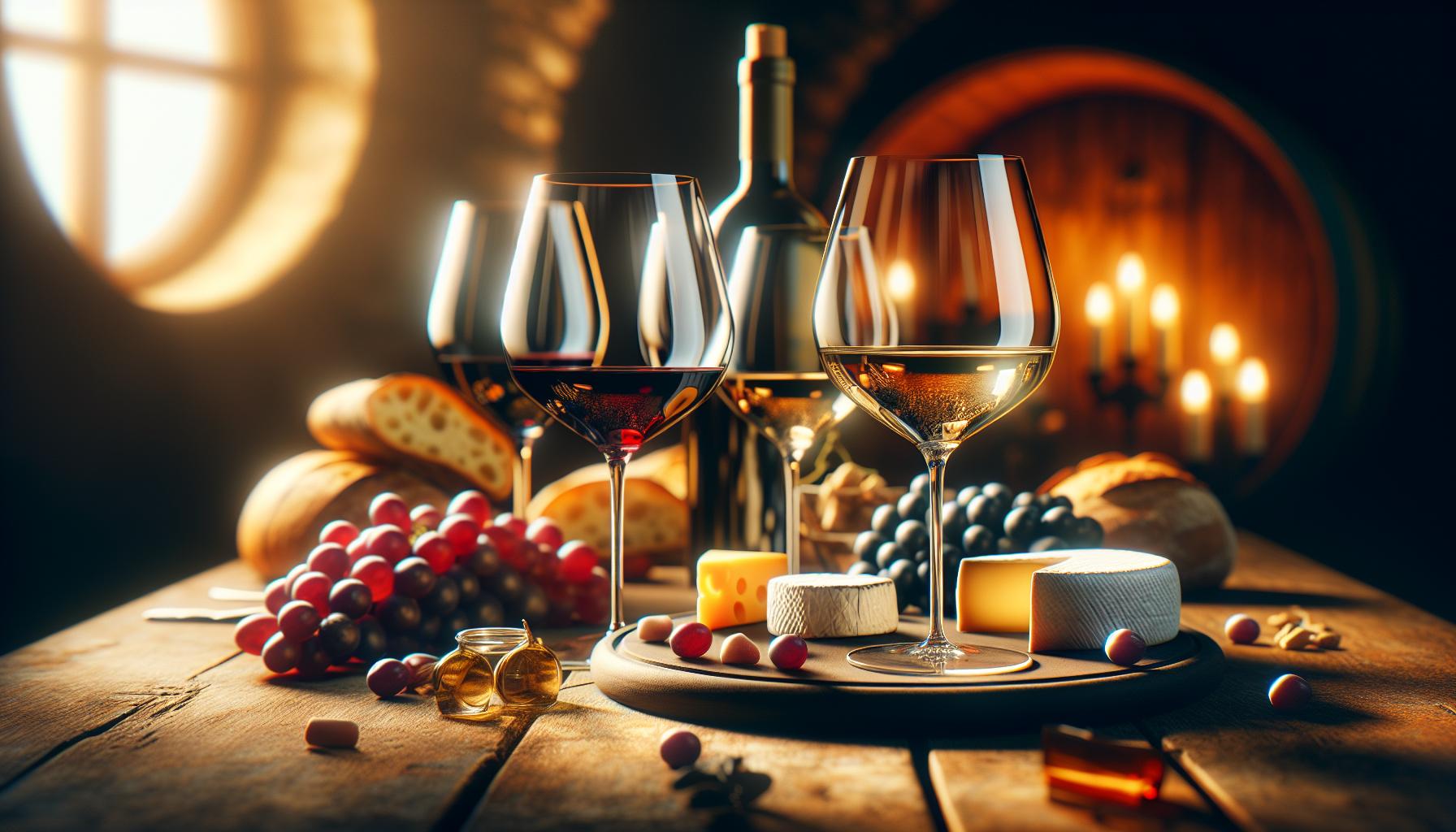
The perfect pour of wine is not merely a numerical value, but rather a confluence of numerous factors that dance together to create an experience both shared and personal. To understand how many servings one can expect from a bottle, one must delve into the nuances that impact serving size. Typically, a standard bottle holds 750 milliliters, which translates to about five standard 5-ounce servings. However, the dimensions of the glass and the occasion can dramatically influence how much wine is poured.
First and foremost, consider the type of gathering. Is it a casual dinner party or an elaborate celebration? In more relaxed settings, guests might appreciate a slightly larger pour, perhaps 6 ounces, to encourage leisurely sipping and deeper conversations. Conversely, at more formal occasions, adhering strictly to 5 ounces maintains a polished atmosphere, allowing for multiple wine selections to be sampled throughout the evening.
Glassware also plays a pivotal role in the experience of serving wine. The size and shape of the glass can dictate how wine is appreciated. A larger bowl provides ample room for aeration, inviting more oxygen to mingle with the wine, which can enhance the flavors and aromas. For fuller-bodied wines, filling the glass to about one-third allows for this interaction, whereas lighter varietals may call for a more moderate pour.
A lesser-known but equally impactful factor is the wine style itself. Some wines are traditionally served in larger quantities because their flavor profiles benefit from a fuller experience; think of a luscious Cabernet Sauvignon or a bold Barolo. Meanwhile, a delicate Pinot Grigio or sparkling wine might encourage smaller servings, allowing for a refreshing tasting experience that leaves room for more exploration throughout the meal.
The cultural context also cannot be overlooked. Different regions and traditions have unique customs relating to wine serving sizes. In some cultures, it is customary to pour liberally to foster hospitality, while others may emphasize restraint and moderation. Understanding these nuances can enrich the experience, providing not just a drink, but a storytelling medium that connects people through shared customs and appreciation of the vine’s bounty.
Ultimately, these elements weave together to guide how wine is served, creating a living tapestry of interaction that enhances each glass poured. By being mindful of these factors, one can elevate the act of serving wine from a simple task to a cherished ritual, enriching the overall experience for all involved.
Wine Styles and Their Serving Variations
In the enchanting world of wine, the choice of style significantly influences how it is served and enjoyed. Each varietal, from effervescent sparkling wines to deep, robust reds, carries its unique characteristics, prompting variations in serving sizes and styles. Understanding these nuances not only heightens anticipation but also fosters a deeper connection to the drink itself, crafting an experience that transcends mere consumption.
For instance, a light-bodied white wine like Sauvignon Blanc is often served in slightly larger portions-around 6 ounces-to enhance its refreshing qualities during warm weather or casual gatherings. This allows the crisp acidity and bright citrus flavors to shine through, inviting leisurely conversation. In contrast, a rich Cabernet Sauvignon, typically savored in more measured pours of 5 ounces, provides depth and complexity that merits slower sipping, giving drinkers time to appreciate its intricate notes of dark fruit, oak, and spice. The expectations around these serving sizes are not mere guidelines; they reflect a cultural appreciation for the wine’s personality and the experience it seeks to create.
Understanding Serving Etiquette Across Styles
The customs surrounding wine service can vary widely across cultures and contexts. For example, in the context of sparkling wine-such as Champagne-serving sizes are typically kept to 4-5 ounces. This smaller portion allows drinkers to appreciate the wine’s effervescence and lively bubbles without overwhelming the palate. In more celebratory settings, such as weddings or anniversaries, hosts might choose to pour a bit more, encouraging guests to toast and savor the occasion.
Moreover, the experience of serving dessert wines, like Late Harvest Riesling, is markedly different. These wines, known for their luscious sweetness and complex flavor profiles, are often offered in even smaller servings of 2-3 ounces. This allows the richness of the wine to shine through while preventing it from overshadowing the dessert it accompanies. Just as in cuisine, balance is key; the right portion enhances the overall enjoyment without overwhelming the senses.
Ultimately, the interplay between wine styles and their serving sizes cultivates an environment of appreciation and dialogue, where each sip speaks to the choices and traditions that shape our enjoyment of this timeless beverage. Embracing the subtleties in pouring not only respects the wine itself but also invites a greater exploration of its place within our social tapestry-a shared appreciation that is as ancient as the vine itself.
How to Calculate Servings for Larger Bottles
Calculating servings for larger wine bottles can evoke a sense of celebration. Picture a majestic magnum (1.5 liters), which is not just a statement piece on the table; it holds the promise of more shared moments. To understand how many servings are in these larger formats, you’ll want to grasp the standard measurements first: a typical serving of wine is about 5 ounces.
For standard wine bottles, which contain 750 ml (or approximately 25.4 ounces), this translates to approximately 5 servings per bottle. But what about those exquisite large bottles that can elevate any gathering?
Understanding Bottle Sizes and Servings
Here’s a practical breakdown of some common larger bottles:
| Wine Bottle Size | Volume (Liters) | Servings (5 oz each) |
|---|---|---|
| Standard Bottle | 0.75 | 5 |
| Magnum | 1.5 | 10 |
| Jeroboam (Sparkling) | 3.0 | 20 |
| Rehoboam | 4.5 | 30 |
| Salmanazar | 9.0 | 60 |
This understanding allows you to root the enormity of the bottle in something tangible. A magnum carries the allure of doubling your opportunity for conviviality-perfect for a special occasion shared with friends and family.
When you pour from these larger formats, remember that the experience should be reflected in the serving style. Consider pouring around 5-6 ounces per glass, as this still maintains the ideal balance between allowing the wine to breathe and ensuring everyone gets a taste of the love and craftsmanship that went into that bottle.
Additionally, cultural traditions can come into play; some might prefer to serve slightly smaller or larger portions depending on the occasion or the style of wine being served. For example, while enjoying a robust Barolo from a magnum, guests might savor the experience longer with 4-ounce pours, promoting discussion about the wine’s story with each sip.
Ultimately, calculating servings from larger bottles provides not only a practical approach to hosting but also enriches the social aspect of wine drinking. The distance between one pour and a shared moment is often bridged by the size of the bottle and the joy it brings as it runs dry-like all good tales, it’s about the memories we create along the way.
Cultural Context: Wine and Portioning Traditions
In a world where wine serves not merely as a beverage but as a cultural emblem, understanding the subtleties of portioning is critical. Traditional guidelines for serving wine vary widely across cultures, reflecting a tapestry of social norms, historical practices, and even culinary pairings. For instance, in Italy, wine is often served in smaller glasses, enhancing the appreciation of quality over quantity. This practice encourages diners to savor each pour, leading to longer meals filled with conversation-a delightful art of moderation that brings a sense of intimacy to gatherings.
Meanwhile, in countries like France, wine serving traditions are steeped in ritual, where the act of pouring can be as expressive as the wine itself. A common practice is to pour generous servings but with the expectation that the wine will be enjoyed slowly, often complemented by a meal. This creates a communal atmosphere that resonates with the French philosophy of enjoying life’s pleasures in harmony, with wine as the mediator. In such settings, understanding the number of servings in a bottle becomes a thoughtful consideration, one that ensures each guest is included without overwhelming the table.
Pouring styles also reflect regional preferences; for example, in Spain’s tapas culture, it is customary to pour smaller amounts selected for enjoyment alongside various shared dishes. This encourages engagement with the food and fosters conversations about flavors and pairings. Here, the average serving size may shift around 3 to 4 ounces, aligning closely with the convivial nature of sharing smaller plates.
In the grander celebrations that often accompany larger bottles-like Jeroboams or Rehoboams-cultural practices also play a role in how these bountiful offerings are perceived. The shared experience of opening a large format bottle can signify a moment of festivity, often resulting in larger, more generous pours that reflect the joy and celebration of the occasion. This juxtaposition of portioning speaks to how wine transcends mere consumption; it becomes a catalyst for connection, storytelling, and community building, blending the rich history of each region with the lively spirit of the moment.
Creative Ways to Serve Wine at Gatherings
In the enchanting dance of conviviality that a gathering often transforms into, serving wine can become a delightful art that elevates the experience for all present. The beauty of wine lies not merely in the elixir itself but in how it weaves into the fabric of human interaction, creating memories that linger as long as the flavors on the palate. Here are some creative methodologies for serving wine that invite both intrigue and enjoyment.
Pair your wine selection with careful consideration of your guests’ preferences and the meal’s tone. For example, transform a casual gathering into a themed tasting experience by presenting a flight of wines that share a common element, such as varietal, region, or vintage. Each pour can spark discussion, allowing guests to share personal tastes and experiences related to the selected wines. Set elegant, labeled decanters or carafes on the table, allowing guests to serve themselves while encouraging the exploration of different wine profiles alongside bites that either complement or contrast the wines being enjoyed.
- Wine Stations: Create a wine station featuring several bottles of varying styles and textures, from sparkling to robust reds. This self-serve option allows guests to experiment and find their favorites, fostering a relaxed atmosphere. Include tasting notes to guide their choices, adding an educational twist to the experience.
- Interactive Pairings: Set up a small cheese or charcuterie board alongside your wine selections to engage the senses. Each pairing can unlock new dimensions in both food and wine, prompting guests to express what resonates with them. Encourage them to try different combinations, fostering discussions around flavors, aromas, and personal preferences.
- Charming Glassware: Use a variety of glassware to serve different wines, such as tulip-shaped glasses for aromatic whites or sturdy, wider glasses for earthy reds. This not only enhances the wine’s aroma but also adds an aesthetic appeal to your gathering, inspiring a conversation about how glass shape influences taste.
- Spontaneous Wine Cocktails: Consider crafting simple wine cocktails that allow guests to experience a twist on the traditional pour. A splash of soda or citrus can transform a glass of wine into something refreshing and novel, making it fun and interactive.
Ultimately, the goal of these creative serving methods is to invite exploration and interaction, ensuring that every guest feels included in the celebration. The act of sharing wine becomes a vehicle for storytelling, laughter, and connection, aligning perfectly with the essence of gathering. As each glass is poured, it is the shared experiences, sparked conversations, and the cherished memories created that make such gatherings truly unforgettable.
Pairing Wine Quantities with Food Serving Sizes
When planning a gathering, the relationship between wine quantities and food serving sizes can elevate the entire dining experience, creating a harmonious balance that delights both the palate and the spirit. At its core, a typical bottle of wine, with its 750 milliliters, yields about five servings (typically around 5 ounces each). This measurement serves as a foundation upon which to build your food pairings and serving strategies. An insightful approach begins with considering the nature of the meal and the type of wines being served, as these factors can greatly influence the enjoyment of each.
To create a cohesive experience, think about the flavors and weights of both the food and wine. For lighter dishes, such as salads or seafood, a crisp white wine or a delicate rosé suffices, while more robust meals, like steak or spicy dishes, call for a bold red. For instance, if serving grilled salmon, a 5-ounce pour of Pinot Noir or Chardonnay can beautifully complement the fish, and pairing it with a light quinoa salad allows the flavors to interact rather than compete. Here’s a handy guide to help you align wine servings with food portions:
- Light Fare (e.g., salads, seafood): Typically, a single serving of wine (5 ounces) pairs well with a similar portion of food, allowing for a refreshing balance.
- Medium Dishes (e.g., roasted chicken, pasta): Consider offering two glasses of wine (10 ounces total) to enhance the richness of the meal, allowing your guests to savor the flavors.
- Hearty Meals (e.g., steak, barbecue): A fuller-bodied wine might call for a bit more, such as a glass and a half (7.5 ounces), especially if accompanied by sides that carry substantial flavors.
In addition to the flavors, the experience of serving wine should consider the occasion’s ambiance. Wine stations with a selection of varietals and a platter of complementary cheeses, such as a rich Brie alongside a fruity Sauvignon Blanc, can transform ordinary gatherings into curated tastings, where guests explore the interplay of food and wine at their own pace. Each sip can lead to a conversation about the characteristics they discern-a pursuit of shared knowledge and experiences that encourages participation and connection.
Moreover, wine consumption can align closely with the rhythm of the meal itself, where the pacing reflects the unfolding of the courses. As guests enjoy lighter appetizers, keep the pours moderate, reserving fuller servings for the main course, ensuring that everyone appreciates the diversity of flavors without feeling overwhelmed. This not only respects the nuances of both the wine and the meal but also fosters a lingering appreciation, inviting guests to engage more deeply with each dish’s story.
Ultimately, the magic lies in finding the balance that invites guests to revel in their dining experience, transforming mere sustenance into a celebration of flavors, culture, and companionship.
Exploring the Effect of Alcohol on Serving Choices
When it comes to sharing a bottle of wine, the influence of alcohol content on serving choices can be subtly profound, crafting an intimate backdrop for social gatherings or tranquil evenings. As we navigate through the vast universe of wine, it’s essential to recognize that each varietal embodies a different personality dictated by its alcohol by volume (ABV). Generally, standard wines hover around 12% to 14% ABV, while fortified wines leap higher, often exceeding 20%. This variance not only affects the flavor profile but also the experience of consumption.
Higher alcohol levels can create a sense of warmth and richness that can be inviting yet deceiving. For instance, a hefty red wine like a Zinfandel, at around 15% ABV, may encourage those robust pours, leading guests to perceive it as a treat rather than a tactical decision for their palate. On the other hand, lighter whites or sparkling wines often have lower ABV, around 10% to 12%. These wines can be more effervescent and refreshing, thus lending themselves beautifully to generous serving sizes during vibrant summer gatherings or celebratory toasts-where every glass sparks joy and connection rather than distraction.
To navigate this dance between serving sizes and alcohol content effectively, it’s crucial to consider the context of the meal or occasion. A wine’s ABV can significantly alter pacing. Heavy, rich wines might pair well with a hearty stew, inviting larger pours that reinforce the meal’s comforting essence. However, as a meal transitions to lighter fare-think fish or chicken-shifting to a crisper wine with a lower ABV can enhance the dining experience, allowing guests to savor without becoming overwhelmed. This mindful serving strategy ensures that each glass complements the meal’s rhythm rather than overshadows it, inviting conversations and shared laughter rather than uninvited sleepiness.
Furthermore, it’s wise to reflect on the communal aspect of wine drinking. Serving smaller portions of higher-alcohol wines can foster an atmosphere of moderation and appreciation, transforming each sip into a moment of reflection rather than mere consumption. This approach encourages guests to explore the wine’s depth and complexity, perhaps sharing stories or the wine’s origins, enriching the overall experience. A well-measured pour, coupled with conscious conversation, leads to a gathering that’s not only enjoyable but memorable, creating connections deeper than the first sip.
In the grand tapestry of wine culture, understanding how alcohol content weaves into serving choices elevates ordinary occasions into rich experiences. By embracing the nuances in alcohol levels alongside thoughtful pouring, we honor the wine’s journey from vineyard to glass and the stories that unfold with each deliberate sip.
Tips for Responsible Wine Consumption and Serving
When engaging in the delightful ritual of sharing wine, it’s crucial to embrace a mindset that celebrates moderation and mindfulness. A bottle of wine typically holds about 750 ml, translating to five standard 5-ounce servings. However, how we pour, appreciate, and consume these servings can greatly enhance not just the experience but the culture surrounding wine itself. By approaching wine with a sense of responsibility, we invite deeper connections with both the beverage and our companions.
Firstly, consider the golden rule of a standard pour: serving 5 ounces per glass allows for a balanced experience and helps manage alcohol intake. This guideline not only keeps the conversation flowing but also encourages slower sips, fostering appreciation of the wine’s aromas, flavors, and textures. For those hosting gatherings, initiating a shared discussion on the wines being served can create an inviting atmosphere, where stories of the vineyards and the winemakers humanize the bottles at hand, enriching the communal experience.
Beyond the pour, the setting and occasion can also influence responsible consumption. Selecting wines based on the meal or event context can be an enjoyable exploration of flavor pairings. For example, a lighter white wine might be perfect for a summer barbecue, while a full-bodied red could complement a cozy winter dinner. Creating a thoughtful pairing can temper the effects of alcohol, ensuring the wine enhances rather than overwhelms the meal, thus inviting rich discussions rather than premature fatigue.
Incorporate breaks between servings by interspersing sips of water or offering non-alcoholic options, which can help pace consumption. This approach nourishes not only one’s palate but also one’s wellbeing, allowing the evening’s conversations to linger long into the night without the dulling effects of overindulgence. Whether winding down by a fire or celebrating milestones with clinking glasses, a conscious engagement with wine translates directly to enhanced enjoyment and connection, honoring the age-old tradition of togetherness around the table.
Frequently Asked Questions
Q: How many servings are in a standard bottle of wine?
A: A standard bottle of wine contains approximately 5 servings. This is based on pouring 5-ounce servings, which is the typical amount given in restaurants and tasting events. Enjoy your next meal pairing with the right pour!
Q: What is the ideal serving size for wine?
A: The ideal serving size for most wines is 5 ounces. This amount allows you to appreciate the wine’s aroma and flavor without overwhelming the palate, making it perfect for tasting and enjoying with food.
Q: How many glasses can you get from a bottle of wine?
A: You can typically get about 5 glasses from a bottle of wine if you pour 5-ounce servings. For smaller tasting portions, you could stretch it to about 6 servings, enhancing your tasting experience.
Q: Is it okay to pour more than one serving from a bottle of wine?
A: Yes, it’s perfectly fine to pour more than one serving from a bottle of wine, especially when sharing among friends. Just remember to consider portion sizes to ensure everyone enjoys a taste without exceeding their limits!
Q: How does wine type affect serving sizes?
A: Wine types like sparkling, red, and white may influence serving sizes. Sparkling wines are often poured slightly smaller at around 4 ounces to enhance bubbles, while lighter whites may also lean toward 4-5 ounces for a more refreshing experience.
Q: Can you pour less than 5 ounces of wine?
A: Absolutely! Pouring less than 5 ounces, like 3 or 4 ounces, allows you to savor multiple varieties in one sitting or assess the wine’s qualities without committing to a full serving. This is particularly helpful in tasting scenarios.
Q: How should wine be stored after opening?
A: After opening, wine should be stored upright in a cool, dark place and resealed to reduce oxidation. A vacuum pump or wine stopper can help preserve remaining servings for up to a week while maintaining quality.
Q: What is the best way to serve wine?
A: The best way to serve wine is at the appropriate temperature for each type (red, white, or sparkling) and in the proper glass to enhance aroma and flavor. Each pour should be a measured and mindful experience, allowing true appreciation of the wine’s character.
This FAQ section not only addresses the immediate questions regarding servings in a bottle of wine but also guides users on serving, storing, and enjoying wine with a richer cultural context. For deeper insights into wine varieties and tasting notes, explore our main article on wine appreciation!
In Conclusion
As we uncork the rich experience of wine, knowing just how many servings are nestled within that enchanting bottle can transform your gatherings, elevating them from the ordinary to the extraordinary. Remember, each serving is not merely a measurement but a chance to share laughter, stories, and moments of connection. If you’re eager to dive deeper, explore our guides on the perfect wine pairings or the art of serving-your taste buds will thank you!
Don’t let the moment slip away-whether planning a dinner party or a quiet evening at home, understanding your wine serving strategy is essential for maximizing enjoyment. Consider subscribing to our newsletter for weekly tips or checking out our blog for insights on how to choose the ideal wine for any occasion. Join our community of wine lovers and toast to memorable experiences. Your adventure into the world of wine awaits-let’s savor each sip together!
Get our latest guides, news, and insights highlighted in your Google Search & AI Overviews.


