


In recent years, Oregon has emerged as a beacon of innovation and quality in the wine world, reshaping our understanding of winemaking. “A to Z Winery Oregon: The A-Z of Oregon’s Wine Revolution” invites you on an enlightening journey through the state’s vineyards and wineries, showcasing a rich tapestry of diverse varietals and bold flavors. This exploration not only highlights Oregon’s unique terroir but also underscores the passion and creativity of its winemakers.
As we delve deeper, you’ll discover how Oregon’s commitment to sustainability and artisanal practices distinguishes it from other regions, making it a must-know destination for wine enthusiasts. Whether you’re a seasoned connoisseur or just beginning your wine journey, this guide will reveal the stories behind the bottles, the land, and the people who are passionately forging a new path in the global wine narrative. Get ready to uncork a deeper appreciation for the intricate connections between culture, history, and the wines that captivate our senses.
Exploring the Rich History of Oregon Wine
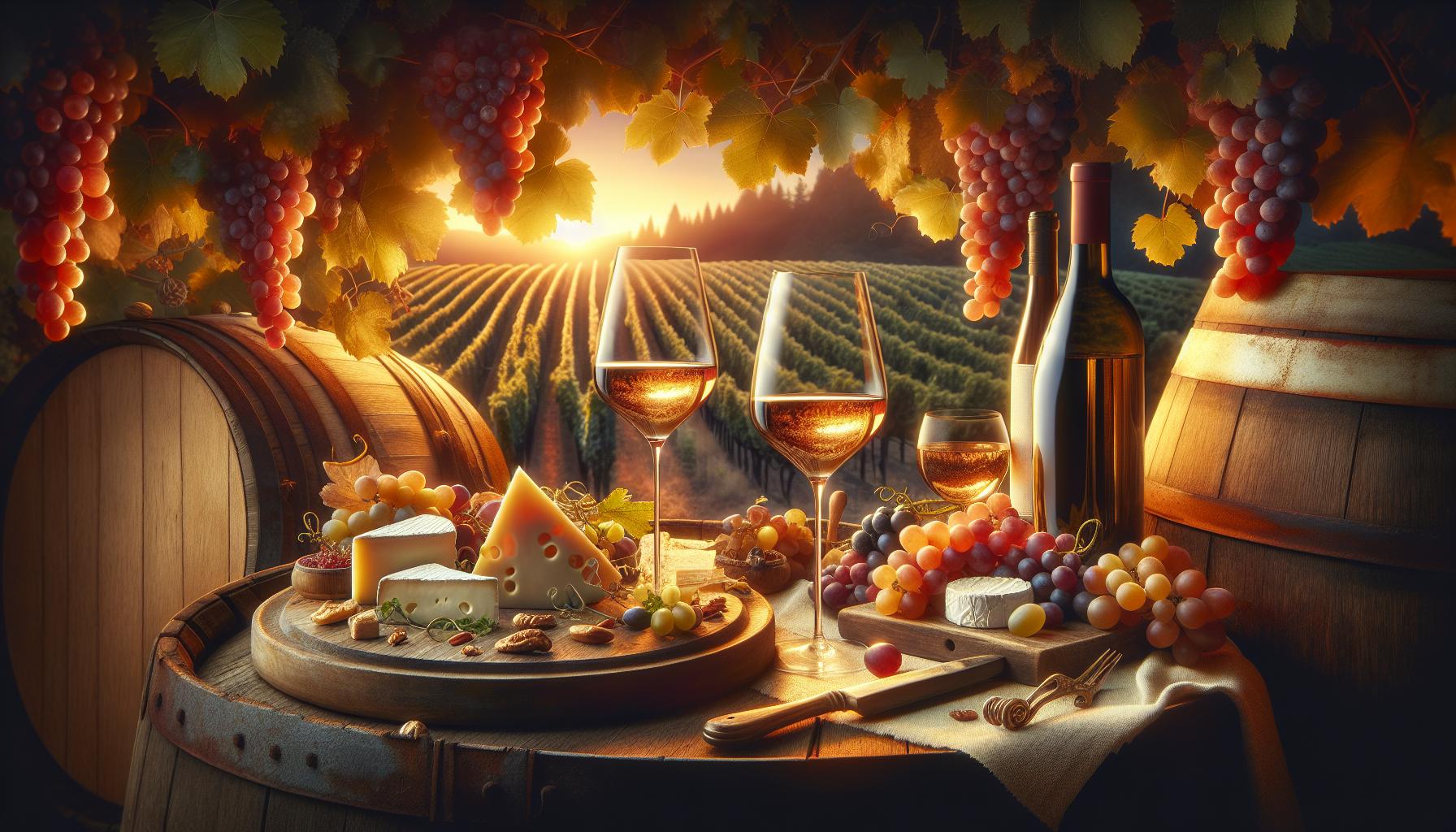
The emergence of Oregon as a notable player in the world of wine has its roots in an audacious spirit and a unique landscape. The state’s wine history began in the late 1960s when pioneers like David Lett of Eyrie Vineyards planted vineyards with a vision steeped in quality. At a time when California dominated the U.S. wine scene, Oregon winemakers dared to focus their efforts, particularly on Pinot Noir, leveraging the region’s cool climate and diverse soils. This bold move laid the foundation for what would blossom into a vibrant and respected wine industry, characterized by a quest for authenticity and craftsmanship.
Oregon’s wine regions are shaped by the intricate interplay of geography and climate, a phenomenon known as terroir. The Cascade Range to the east creates a rain shadow effect, resulting in diverse microclimates across the state. Varying elevations and soil types-from volcanic loams in the Willamette Valley to limestone and granite in Southern Oregon-contribute to the distinctive character found in Oregon wines. As these elements intertwine, they inspire winemakers to express the land’s voice through their varietals, making each bottle a reflection of its origin.
Further enriching this story is Oregon’s unwavering commitment to sustainability and innovation. Many wineries prioritize organic and biodynamic practices, fostering a genuine connection to the land and elevating the quality of their wines. Additionally, the advent of technology and research into viticulture has birthed innovative techniques that enhance flavors and preserve the health of vineyards. This revolution not only honors traditional methods but also paves the way for future generations to explore the vast potential of Oregon viticulture.
As we delve deeper into Oregon’s wine history, we unearth stories of resilience, creativity, and a community united by a passion for excellence. This rich tapestry invites exploration and appreciation, revealing that each bottle of Oregon wine is not just a drink, but a narrative waiting to be shared.
The Impact of Terroir on Oregon’s Varietals
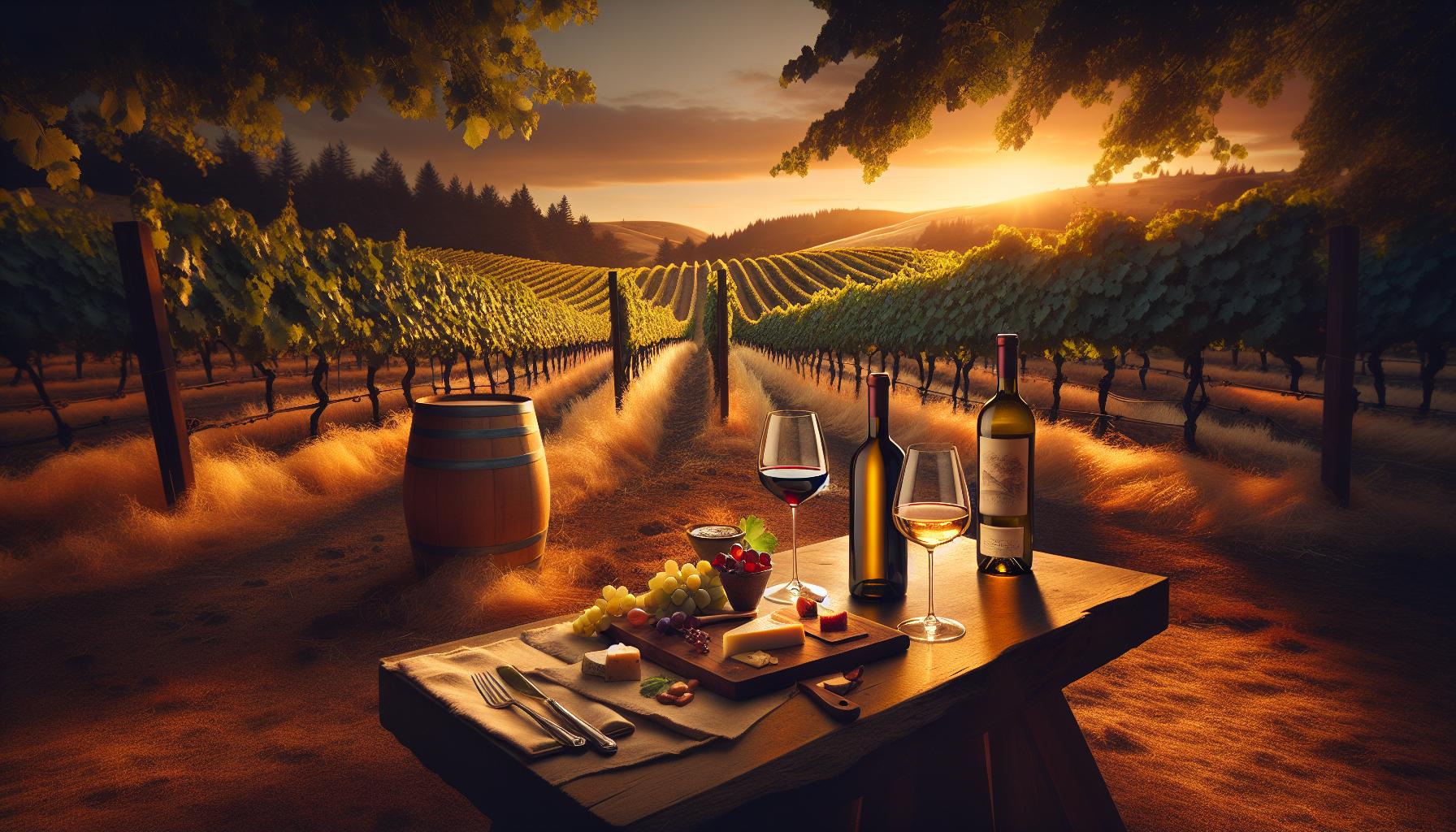
The essence of Oregon wines lies deeply rooted in its terroir-a multifaceted blend of climate, soil, and topography that breathes life into every bottle. As one traverses the rolling hills of the Willamette Valley and beyond, it’s impossible not to feel the land’s unique character threading through each varietal. The Cascade Range looms to the east, effectively creating a rain shadow that fosters diverse microclimates across the state. Here, rolling hills meet complex soils, from rich volcanic loams to ancient marine sediment, creating a tantalizing playground for winemakers. As they harvest these varying elements, Oregon vintners harness a symphony of flavor and aroma, translating the language of land into wines that capture the heart and soul of the region.
Terroir in Oregon is not simply a backdrop; it profoundly shapes the distinctive profiles of its wines. The cool climate, characterized by mercurial weather patterns, slows down the ripening process, allowing grapes to develop nuanced flavors while retaining much-needed acidity. For example, the celebrated Oregon Pinot Noir reveals layers of bright cherry, earthy undertones, and whispers of spice, reflecting both the meticulous care of its producers and the very land it springs from. These characteristics provide a vivid picture of the region, inviting wine enthusiasts to explore and understand the intricate relationship between grapes and their origins.
Moreover, each winegrowing region in Oregon imparts its personality into the varietals cultivated there. In Southern Oregon, for instance, the warmer climate and varied soils give rise to bold, expressive blends that often cross into the realms of Syrah and Grenache, showcasing a distinctly different character than those found in the cooler, more temperate Willamette Valley. This regional diversity within a single state offers an exploration playground for wine lovers eager to discern the subtle differences that terroir imparts in the glass.
As winemakers increasingly embrace sustainable practices and innovative techniques, they remain committed to honoring the intricate tapestry of terroir that defines Oregon wines. This connection to the land, combined with a dedication to quality and authenticity, not only elevates the wines’ appeal but also nurtures a deeper appreciation for the delicate craftsmanship behind each bottle. Wine isn’t just about consumption; it’s about storytelling-each varietal a chapter woven from the rich history and complex beauty of its surroundings, inviting all to sip and savor the experience.
Uncovering Oregon’s Signature Grape Varieties
In the captivating world of Oregon wines, few aspects are as enthralling as the state’s signature grape varieties, each a distinct expression of the unique terroir and climate that shape them. At the forefront lies the renowned Pinot Noir, a variety that has seemingly found its spiritual home in the rolling hills of the Willamette Valley. Celebrated for its vibrant cherry and raspberry notes, Pinot Noir from Oregon exhibits a complexity that encapsulates the essence of its origin-aldéhyde textures paired with earthy undertones and a vibrant acidity that invites contemplation with every sip.
While Pinot Noir typically takes the spotlight, other varietals are stepping into the limelight, revealing Oregon’s diverse winemaking capabilities. For instance, the Rhône varietals such as Syrah and Grenache flourish particularly well in Southern Oregon’s warmer climate, yielding bold and concentrated wines with flavors ranging from dark fruits to herbaceous nuances. These wines offer a contrast with the intricately layered, cooler-climate varieties, encouraging wine lovers to explore the full spectrum of Oregon’s vinous offerings.
Emerging Varietals
Oregon’s winemakers have not shied away from experimentation and innovation. The state has recently seen a rise in Italian varietals such as Sangiovese and Barbera making their mark. These grapes, known for their bright acidity and food-friendly profiles, provide yet another dimension to Oregon’s growing varietal repertoire. Coupled with the innovative application of sustainable practices, these grapes are crafted to embrace the artistry of winemaking while respecting the environment.
The narrative of Oregon’s signature grapes is one of connection-between the land, the growers, and the consumers. As one navigates through tasting rooms sprinkled across the state, you can sense the stories behind each bottle. From small family-owned wineries to larger commercial producers, each offers a unique insight into not just the grape, but the culture and history that surrounds it. Thus, investing time in understanding Oregon’s varietals is not merely about appreciating the wine; it is about honoring the journey-from vine to glass-that embodies the spirit of Oregon’s wine revolution.
The Role of Sustainability in Oregon Winemaking

In the verdant landscapes of Oregon, where rolling hills cradle vineyards and nature flourishes, sustainability has become more than a buzzword-it’s an evolving philosophy that shapes every facet of winemaking. Many Oregon winemakers are not merely focused on crafting exceptional wines; they are equally passionate about preserving the land for future generations. This commitment to sustainability manifests in numerous ways, from organic farming practices to innovative water conservation strategies. What emerges is a synergy between the terroir and the winemaking process, with a shared goal of enhancing the natural environment while producing outstanding wines.
At the heart of Oregon’s sustainable practices is the emphasis on organic and biodynamic viticulture, which minimizes the use of synthetic pesticides and fertilizers. Instead, winemakers rely on natural composts, cover crops, and integrated pest management techniques that foster a healthy ecosystem. For instance, the use of beneficial insects can help control pests without chemical interventions, resulting in wines that reflect the genuine character of the soil and climate. These practices not only improve grape quality but also promote biodiversity, ensuring that the delicate balance of local flora and fauna remains intact.
Oregon’s commitment to environmental stewardship is further exemplified by the pioneering use of renewable energy sources at many wineries. From solar panels to wind turbines, vineyards are increasingly turning to sustainable energy solutions to power their operations. This dedication to reducing carbon footprints aligns with consumer expectations for transparency and responsibility in wine production. Wineries such as King Estate and Elk Cove are leading by example, integrating eco-friendly technologies while producing acclaimed wines that resonate with the values of environmentally conscious consumers.
Beyond the vineyard, many Oregon winemakers are fostering a culture of community engagement, encouraging partnerships with local farmers and artisans to promote a regional approach to sustainability. This interconnectedness not only strengthens local economies but also creates a network of shared knowledge and resources. By embracing a holistic view of winemaking that prioritizes sustainability, Oregon’s wine industry is not just crafting a product-it’s cultivating a movement that celebrates the harmonious relationship between people, land, and wine.
In this context, Oregon wine becomes a narrative rich with intention and care-a bottle of Pinot Noir or Chardonnay is not merely a drink but a story of environmental respect, innovation, and the love of land that invites you to explore each sip with gratitude and awareness. As more wineries solidify their commitment to sustainable practices, wine lovers can delight in knowing that their chosen bottles often reflect a broader mission of preserving the beauty of Oregon’s landscapes for generations to come.
Innovative Techniques Driving Oregon’s Wine Revolution

In the ever-evolving landscape of Oregon winemaking, innovation pervades every aspect, transforming the region into a fertile ground for creative minds. At the forefront of this revolution are winemakers who challenge traditional methods, explore new technologies, and forge unique paths that not only enhance the quality of their wines but also redefine what it means to be a steward of the land. For example, many wineries are leveraging cutting-edge data analytics and precision viticulture-using sensors and satellite imagery to monitor soil health and vine conditions. This data-driven approach allows for more informed decision-making, optimizing irrigation, fertilization, and harvest times to ensure the grapes reach their full potential.
Embracing Technology for Quality
A key area where innovation thrives is in the integration of technology within the winemaking process. The use of automated systems to regulate fermentation temperatures ensures consistency across vintages, while advanced filtration techniques clarify wines without stripping away character. Furthermore, many producers are experimenting with natural yeasts, fostering a sense of terroir that reflects their unique environments. This revival of traditional methods-paired with modern scientific understanding-creates wines that tell a story of place and passion, inviting consumers to engage with each bottle more deeply.
Innovative Varietals and Experimental Blends
Moreover, experimentation extends beyond techniques to include the varietals themselves. Oregon’s winemakers have begun forging partnerships with established viticulturists and universities to explore lesser-known grapes or hybrid varieties that can thrive in the state’s shifting climate conditions. Varietals like Grüner Veltliner and Tempranillo are gaining traction, revealing how versatility and creativity can flourish in the vineyard. These innovative blends not only diversify the Oregon portfolio but also cater to evolving consumer preferences, encouraging a broader appreciation for the diversity of flavors and styles this unique region can produce.
In addition to varietal exploration, there is a palpable movement toward creating wines that resonate with modern values, focusing on health-conscious options such as low-intervention wines with lower alcohol content and minimal additives. This approach reflects a growing consumer desire for transparency and quality, emphasizing a holistic understanding of the wine experience. As more consumers gravitate towards a conscious lifestyle, Oregon vineyards are responding with wines that not only delight the palate but also align with their customers’ values.
Through these innovative techniques, the Oregon wine revolution is more than just a trend; it is a testament to the artistry and ingenuity of its winemakers, reflecting a commitment to craftsmanship and sustainability that resonates through every sip. The wines produced are not merely beverages; they are invitations to explore the rich narrative of Oregon’s terroir, culture, and the passionate individuals behind each bottle. As we raise our glasses to this vibrant industry, may we continue to celebrate the inventive spirits that are shaping its future, one exceptional vintage at a time.
Tasting Notes: Exceptional Wines from A to Z
From aphrodisiac to zen-like tranquility, the variety of wines emerging from Oregon’s esteemed vineyards is a testament to the region’s extraordinary commitment to quality and innovation. What makes wine tasting in Oregon exceptional is not just the diversity of the grapes cultivated but the meticulous attention winemakers pay to every single aspect of the vinification process. This section invites you to explore an A to Z odyssey through a selection of Oregon wines, illuminating the unique character and narratives these bottles contain.
Curated Choices from A to Z
As you navigate Oregon’s wine landscape, think of this alphabetical journey as a palette where each letter represents not only a grape or a blend but also a distinct experience, seamlessly interlacing joy, memories, and pairings that elevate the essence of the wine itself. Here are some highlights:
- A – Albariño: This refreshing white varietal bursts with notes of stone fruit and a saline finish, perfect to pair with seafood dishes.
- B – Brut Rosé: A sparkling delight that dances on the palate with hints of strawberry and rose petal, ideal for toasting special occasions.
- C – Cabernet Sauvignon: Rich and full-bodied, Oregon’s Cabernets often carry notes of dark cherry and black currant, making them excellent companions to grilled meats.
- D – Dornfelder: A lesser-known varietal that shines with its deep color and luscious blackberry flavors, presenting an intriguing twist for those seeking something new.
- E – Early Muscat: Exhibiting floral aromas and honeyed sweetness, this varietal is perfect for spring gatherings, paired with fresh fruits or light desserts.
- F – Pinot Gris: Often showcasing bright citrus notes and a crisp finish, it’s a versatile wine that complements a variety of cuisines, from Asian-inspired dishes to creamy pastas.
- G – Gewürztraminer: Known for its aromatic qualities, this wine surprises with lychee and spice notes, enhancing rich cuisines like Thai or Indian fare.
- H – Hybrid Varietals: Oregon is home to innovative wines from hybrid grapes developed to withstand climate variations, bridging tradition and modern techniques.
- I – Ice Wine: Produced from grapes frozen while still on the vine, offering a concentrated sweetness ideal for memorable pairings with bold cheeses or fruit-based desserts.
- J – Juicy Cab Franc: A delightful wine that showcases vibrant acidity and herbal notes, often making it suitable for casual picnics.
- K – Kabinett Riesling: Lively and refreshing, this off-dry option makes for a perfect aperitif or accompaniment to spicy dishes.
- L – Late Harvest Wines: These sweet, dessert-style wines showcase concentrated flavors, ideal for dessert pairings or as a sipping wine after meals.
- M – Malbec: Rich in dark fruit flavors and accompanied by velvety tannins, this wine fits effortlessly with hearty red sauces and grilled meats.
- N – Nebbiolo: With its ethereal bouquet and high acidity, this varietal is becoming a subtle star in the Oregon wine scene, especially for those seeking depth.
- O – Oaked Chardonnay: Embracing buttery, caramel notes alongside summer fruits, a classic favorite that fits perfectly with roasted poultry.
- P – Pinot Noir: The flagship varietal of Oregon, expressing an exquisite balance of fruit, acidity, and soft tannins, often evoking flavors from cherry to mushroom.
- Q – Quaffable Reds: Wines designed for easy drinking often include blends that complement casual gatherings and everyday meals.
- R – Rosé: Oregon’s crisp and fruity rosés, ideal for warm evenings, pair wondrously with charcuterie or light salads.
- S – Sauvignon Blanc: Characterized by zesty citrus notes and herbal undertones, this wine excels with fresh salads or shellfish.
- T – Tempranillo: Emerging in Oregon, this Spanish varietal shows potential for bold red structures that harmonize beautifully with grilled meats.
- U – Unfiltered Wines: Emphasizing the raw nature of the grape, unfiltered wines offer unique flavors and textures that deliver an authentic tasting experience.
- V – Viognier: Floral and aromatic, with a lush mouthfeel, it’s the perfect partner for rich dishes or spicy fare.
- W – Wines from New Regions: Keep an open mind for wines sourced from burgeoning terroirs, showcasing the dynamism of the Oregon wine landscape.
- X – Xerophytic Varietals: Interrogating adaptability, these grapes thrive in Oregon’s cooler regions, making for intriguing flavor profiles.
- Y – Young Vintages: These approachable wines offer immediate enjoyment, bursting with vibrant fruit flavors while maintaining a refreshing quality.
- Z – Zinfandel: An emerging force, Oregon Zins surprise with their spicy character and are perfect companions to barbecued dishes.
Through this A to Z exploration, you’ll find that each bottle tells a story, a fusion of terroir, technique, and passion, beckoning to those willing to explore the depths of Oregon’s liquid art. Whether you’re a novice or a seasoned sommelier, these wines invite you to immerse yourself in their complexity and charm, enhancing not only your palate but your appreciation of this beautiful region and its industrious artisans.
Guided Tours: Experience Oregon’s Wine Country
Embarking on a journey through Oregon’s wine country is more than just a tasting adventure; it’s an opportunity to deeply engage with the landscape, the people, and the stories behind each bottle. The Willamette Valley, renowned for its Pinot Noir, offers scenic vistas punctuated by lush vineyards, quaint tasting rooms, and the vibrant community of winemakers dedicated to their craft. Guided tours not only facilitate access to these hidden gems but enrich the experience by offering insights into the nuances of viticulture and winemaking.
When considering a guided tour, look for local operators who provide personalized experiences, which can range from intimate small group excursions to private family outings. Tours often include behind-the-scenes visits to wineries, where you can witness the meticulous processes that shape the wines-from grape harvesting to barrel aging. Knowledgeable guides weave narratives of the region’s history and highlight the varying microclimates that influence each vineyard’s terroir, crafting a tapestry that connects the past with present practices. Engaging directly with winemakers during these tours can deepen your understanding, allowing you to appreciate not only the wine in your glass but the symbolism and labor imbued in each sip.
As you traverse the valleys, savor curated tastings that often feature pairings with locally produced artisan cheeses and charcuterie-an exquisite blend of flavors highlighting the region’s culinary strengths. Imagine sipping a crisp Sauvignon Blanc while admiring the rolling hills, or reveling in the complexity of a carefully crafted Pinot Noir, all while breathing in the scent of damp earth and sun-warmed grapes. Paths along the vineyards are often lined with wildflowers, providing a sensory feast that complements the high-quality wines.
For those seeking broader exploration, some tours incorporate additional regional attractions, such as the majestic vistas of Multnomah Falls or the quaint charm of local towns, ensuring a well-rounded experience that blends nature, culture, and hospitality. With thoughtfully designed itineraries and a focus on personal connection, guided tours through Oregon’s wine country invite participants into an ever-evolving story-a narrative told through every grape vine and every bottle, challenging you to discover your own taste and preferences while celebrating the artistry of winemaking.
Pairing Oregon Wines with Culinary Delights
Sipping Oregon wine is an experience that transcends mere consumption; it invites you to engage with the rich tapestry of flavors that the state’s diverse terroirs offer. The art of pairing these wines with culinary delights can elevate both the food and the wine, creating a symphony of taste that dances on the palate. Oregon’s gastronomy, heavily influenced by the local terroir and sustainable practices, opens a world of pairing possibilities-each choice reflecting the essence of the region.
Consider the finesse of Oregon’s Pinot Noir, often lauded for its vibrant fruit and earthy undertones. This varietal pairs beautifully with dishes featuring roasted duck or a wild mushroom risotto, as the wine’s acidity cuts through the richness, enhancing the flavors without overpowering them. Its berry notes harmonize with the sweetness of roasted vegetables, making it a versatile partner at the dinner table. Conversely, a zesty Oregon Sauvignon Blanc, characterized by its bright citrus flavors and crisp finish, complements seafood dishes such as grilled salmon or a fresh ceviche, where the bright acidity accentuates the dish’s natural flavors.
Exploring Unique Pairings
The concept of terroir extends beyond the vineyard and plate, influencing regional food practices as well. Oregon’s commitment to organic farming and sustainable practices means that local ingredients often share the same philosophy as the wines themselves. When you bite into a local artisanal cheese, perhaps a creamy goat cheese from a nearby farm, and follow it with a sip of Chardonnay, you can literally taste the landscape-the minerality of the wine echoing the soil from which it sprang.
Food festivals and winery events across the state are perfect opportunities to explore pairing. Many wineries offer curated tasting experiences that feature local chefs who craft dishes designed to complement specific wines. This not only showcases the versatility of Oregon’s wines but also encourages a sense of community and collaboration among local artisans. Imagine a serene afternoon spent at an outdoor event, tasting a carefully structured pinot gris alongside gourmet pairings of charcuterie and pickled seasonal vegetables-each sip revealing nuances that create a lasting impression.
Pairing Oregon wines with your culinary adventures is an invitation to explore the stories and synergies that define the region. Whether planning a sophisticated dinner party or just enjoying a quiet evening at home, keep an open mind and let the flavors guide your journey-this exploration might just lead you to your new favorite combination. Remember, the right pairing can spark curiosity, inspire creativity, and most importantly, make your tasting experience all the more memorable.
Oregon’s Rising Stars: Winemakers to Watch
The landscape of Oregon’s wine industry is a vibrant tapestry woven with the innovative spirits of its rising winemakers. In a region renowned for its exceptional Pinot Noir and increasingly diverse varietals, the next generation of winemakers is not only respecting the traditions of their predecessors but also boldly charting new paths for exploration. This exciting evolution is marked by an infusion of creativity, sustainable practices, and a deep connection to the land, ensuring that their wines not only reflect a specific terroir but also tell compelling stories of their origins.
Among these visionary talents is Moussa Dede, a winemaker whose roots trace back to the sun-kissed hills of Southern Oregon. Passionate about introducing Mediterranean varietals to the Pacific Northwest, he crafts aromatic whites and rich reds that echo the essence of his heritage. Each bottle he produces invites wine enthusiasts to experience the unique intersection of Old World finesse and New World vibrancy. His commitment to organic farming practices further highlights a growing trend among winemakers in the state, who are increasingly prioritizing sustainability not just as a trend but as a philosophy.
Another noteworthy figure is Erin Nuccio of Lenné Estate. Known for producing some of Oregon’s most articulate expressions of Pinot Noir, Nuccio’s meticulous attention to detail and minimal intervention methods have garnered significant acclaim. Every vintage reflects an emphasis on preserving the integrity of the grapes, resulting in wines that express the season’s character with remarkable clarity. Her journey through various roles in the wine industry before establishing her own vineyard embodies the relentless pursuit of excellence that defines this new wave of winemaking talent.
As the industry continues to evolve, the potential for collaboration and community among these emerging winemakers becomes increasingly evident. Many are drawn together by shared philosophies and the spirit of innovation, leading to unique projects that challenge the status quo. Such collaborations often result in limited, experimental releases that excite both casual drinkers and connoisseurs alike. Events showcasing their wines celebrate not just the individual winemakers but also the beautiful complexity that Oregon’s wine landscape offers.
These rising stars remind us that wine is more than just a drink; it is an expression of passion, culture, and place. Embracing their stories and the wines they create not only enriches our drinking experience but also deepens our appreciation of Oregon’s dynamic wine revolution. As they venture into uncharted territory, these winemakers invite us to join them on a journey of discovery, each sip revealing the artistry and dedication that define this vibrant industry.
Wine Festivals and Events: Celebrate Oregon’s Excellence
The vibrant tapestry of Oregon’s wine culture is beautifully displayed in its array of festivals and events, each celebrating the artistry and heritage that define this remarkable region. From the rolling hills of the Willamette Valley to the scenic vistas of Southern Oregon, these gatherings not only showcase the exceptional varietals that Oregon has to offer but also provide an immersive experience for wine lovers to connect with the land, the winemakers, and each other.
One of the highlight events on the Oregon wine calendar is the Oregon Wine Month, celebrated each May. This month-long festival transforms the state into a jubilant hub of wine-related activities, including tastings, vineyard tours, and special dining experiences at local restaurants that spotlight Oregon wine pairings. Participating wineries often host unique events, such as vertical tastings of their iconic vintages or blending workshops, where attendees can embark on a personal winemaking adventure. Many wineries also offer live music, food trucks, and art exhibitions, creating an inviting atmosphere for both seasoned connoisseurs and curious newcomers.
In addition to monthly celebrations, Wine Country Thanksgiving is another standout event that attracts visitors from far and wide. Held annually during the holiday weekend, this event invites wine enthusiasts to experience the warmth of Oregon hospitality. Wineries across the state open their doors, offering complimentary tastings and festive culinary pairings featuring local ingredients. It’s an opportunity to enjoy the bounties of Oregon’s harvest while mingling with winemakers who are eager to share their stories and passions. Many attendees delight in the chance to savor limited-release wines, exploring the nuances of each varietal while supporting local artisans.
For those seeking a deeper connection to the craft, the Oregon Wine Symposium offers educational sessions led by industry experts. This conference not only addresses current trends and challenges facing the wine industry but also fosters discussions on sustainability and innovative techniques that are redefining winemaking in the region. Participants can participate in guided tastings, uncovering the layers of terroir and the nuances of different grape varieties while expanding their knowledge and appreciation of Oregon wine.
As you plan your odyssey through Oregon’s dynamic wine landscape, take the time to check local winery calendars and be on the lookout for pop-up events or special releases. Each festival and event presents a unique opportunity to engage with the local wine community, discover new favorites, and cultivate a deeper love for the exceptional wines that this region has to offer. Whether you’re sipping a delicate Pinot Noir while overlooking the vineyard or sampling a bold Syrah paired with artisanal cheese, the experiences found at these gatherings will undoubtedly enrich your appreciation for Oregon’s vibrant wine culture.
Building a Collection: The Best Oregon Wines to Buy
Building a wine collection is both an art and a journey, particularly when it comes to the fabulous offerings from Oregon. With its diverse terroirs and innovative winemaking practices, this Pacific Northwest gem produces wines that captivate the senses and tell the story of their origins. To start curating your collection, consider focusing on key regions and varietals that showcase Oregon’s distinctive character.
One of Oregon’s most celebrated contributions to the wine world is Pinot Noir, particularly from the lush Willamette Valley. The cool climate here, combined with volcanic soil, creates an ideal environment for this grape. Look for producers like Domaine Serene or Archery Summit, whose wines often display an elegant balance of bright red fruit flavors and earthy undertones. Adding a few bottles of these distinguished Pinot Noirs will not only enhance your collection but also provide delightful options for pairing with a variety of dishes.
Another varietal worth exploring is the Oregon Chardonnay, which often showcases a delightful mix of acidity and complexity. Unlike many California counterparts, Oregon Chardonnays tend to retain a refreshing brightness, making them superb companions for seafood or creamy pastas. Wineries such as Stoller Family Estate and Adelsheim Vineyard offer exquisite examples, often with notes of citrus, stone fruit, and a subtle minerality that speaks to the unique terroir of the region.
As you build your collection, don’t overlook the potential of lesser-known varietals like Grüner Veltliner and Tempranillo. These wines reflect Oregon’s adventurous spirit and willingness to experiment. A bottle of Alchemy Vineyards’ Grüner, with its spicy notes and crisp finish, can liven up any gathering and pique the curiosity of your guests. Similarly, try adding a Tempranillo from the Rogue Valley, where the warmer climate allows for a fuller expression of this Spanish grape, offering rich tannins and ripe fruit flavors.
While selecting bottles, consider the ageability of the wines, as many Oregon varietals can evolve beautifully over time. Aim for a mix of both ready-to-drink options and those that can be tucked away for several years. A well-balanced collection is like a well-written story, with vibrant chapters that can be revisited and enjoyed on different occasions. As you taste and explore, take the time to learn about the winemakers and their philosophies-each bottle is a reflection of their passions and the landscapes they come from.
Curating a collection of Oregon wines allows you to not just enjoy the sensory pleasures of wine but also connect deeply with the region’s culture and innovation. Each bottle opens the door to a conversation about landscape, climate, and the art of winemaking, enriching your experience and deepening your appreciation for the ever-evolving journey of Oregon’s wine revolution.
The Future of Oregon’s Wine Industry: Trends and Predictions
The landscape of Oregon’s wine industry is on the cusp of remarkable transformation, rich with the flavors of innovation and the promise of sustainability. As wine enthusiasts turn their attention to this Pacific Northwest haven, the synergy between tradition and modern techniques is shaping a vibrant future for producers and consumers alike. One of the most compelling trends is the increasing focus on sustainability. Many wineries are adopting organic and biodynamic principles, not just as a marketing strategy but as a commitment to the environment. This aligns with the values of a new generation of wine drinkers who prioritize eco-conscious choices.
Another exciting development is the emergence of lesser-known varietals that showcase Oregon’s diverse climatic conditions and soils. While Pinot Noir continues to reign supreme, there’s a growing appreciation for grapes like Cabernet Franc, Riesling, and even skin-contact white wines. Wineries like Brooks Wine and Eyrie Vineyards are leading this charge, inviting consumers to explore new taste profiles that reflect Oregon’s adventurous spirit and commitment to diversity. This exploration mirrors a broader trend towards personalized wine experiences, as consumers increasingly seek wines that tell a story-be it through unique grape varieties or innovative winemaking processes.
Technology is also playing a pivotal role in the evolution of the industry. The integration of precision viticulture-using data collection and analysis to enhance vineyard management-allows winemakers to monitor and respond to the nuanced changes in their terroir. Techniques such as drone monitoring and soil mapping are proving invaluable in optimizing grape quality and yield. They empower wineries to produce exceptional wines while remaining sustainable and efficient.
As we look ahead, collaborations among wineries are likely to flourish, fostering a sense of community and shared knowledge. These partnerships not only enrich the local wine culture but also encourage the collective pursuit of quality and innovation. Wine festivals and joint tastings are expected to become even more prevalent, allowing consumers to directly engage with the evolving story of Oregon wines and their passionate producers.
In summary, the future of Oregon’s wine industry is bright, characterized by a compelling blend of sustainability, exploration of diverse varietals, technological innovation, and vibrant community collaborations. As consumers continue to seek authentic and thoughtful wine experiences, Oregon stands poised to lead the charge in redefining what it means to enjoy a glass of wine-each sip a reflection of the soil, the climate, and the dedicated people behind every bottle.
Faq
Q: What makes A to Z Winery a key player in Oregon’s wine revolution?
A: A to Z Winery is celebrated for its commitment to quality, sustainable practices, and a diverse range of varietals that represent Oregon’s unique terroir. Their approach to winemaking emphasizes community and environmental responsibility, positioning them at the forefront of the Oregon wine movement.
Q: What types of wines does A to Z Winery produce?
A: A to Z Winery produces a variety of wines, including Pinot Noir, Chardonnay, and other varietals that reflect Oregon’s climate and soil. Their blends and single varietal wines are crafted to showcase the distinct flavors of the region, appealing to both novices and connoisseurs.
Q: How can I visit A to Z Winery?
A: To visit A to Z Winery, check their official website for current tasting room hours and tour availability. Reservations may be required, especially during peak seasons. Visiting offers an immersive experience with wine tastings and vineyard tours that highlight their winemaking philosophy.
Q: What distinguishes Oregon wines, particularly those from A to Z Winery?
A: Oregon wines are renowned for their balance and vibrant acidity, often influenced by the cool climate and diverse microclimates across the state. A to Z Winery’s focus on sustainable farming and artisanal winemaking contributes to the distinctiveness of their wines, making them exceptional representatives of the region.
Q: What awards has A to Z Winery received?
A: A to Z Winery has garnered numerous awards for its wines, including high ratings from industry publications and competitions. These accolades reflect their commitment to quality and innovation in winemaking, solidifying their status in Oregon’s competitive wine landscape.
Q: Why is terroir important in Oregon wine production?
A: Terroir refers to the unique environmental factors-such as soil, climate, and topography-that influence the taste of wine. In Oregon, the diversity of terroirs allows A to Z Winery to produce wines with distinct character, showcasing the complexity and richness of the region’s grapes.
Q: How does A to Z Winery practice sustainability?
A: A to Z Winery is dedicated to sustainable practices, employing organic farming methods and resource conservation strategies. Their commitment to environmental stewardship not only benefits the ecosystem but also enhances the quality of their wines, making them a model for sustainable winemaking.
Q: Can I find A to Z Winery wines outside of Oregon?
A: Yes, A to Z Winery’s wines are distributed widely and can be found in various retail outlets and restaurants across the United States. Check their website or local wine shops for availability options. Enjoying A to Z wines offers an opportunity to experience a piece of Oregon’s wine culture anywhere.
Feel free to explore each answer for a deeper understanding of the wine revolution led by A to Z Winery. For thorough insights on Oregon’s wine landscape, revisit the main article.
Final Thoughts
As we conclude our exploration of “A to Z Winery Oregon: The A-Z of Oregon’s Wine Revolution,” remember that each sip of Oregon wine is not just a taste, but a journey through the rich tapestry of its culture, history, and the passionate people behind it. From uncovering unique varietals to savoring the intricate flavors born from a diverse terroir, this region invites you to expand your palate and deepen your appreciation of wine. Don’t miss the chance to further immerse yourself in Oregon’s wine culture-check out our guide on the best wineries to visit and discover even more about the art of winemaking.
Feeling inspired? Join our newsletter for exclusive insights and recommendations that will elevate your wine experience. Your next favorite bottle is just around the corner, waiting for you to uncork it! And if you have questions or insights to share about your wine adventures, drop a comment below-your experience enriches our community. Let’s celebrate the fascinating world of wine together!
Get our latest guides, news, and insights highlighted in your Google Search & AI Overviews.


