


Have you ever poured a glass of wine only to find it lacking the vibrant flavor you expected? A wine aerator may be the key to transforming your experience. By introducing oxygen to your wine swiftly, this nifty gadget softens harsh tannins and enhances the wine’s natural nuances, making each sip smoother and more enjoyable.
Imagine savoring the deep, rich notes of your favorite vintage, freed from bitterness and elevated to new heights of complexity. Whether you’re hosting a dinner party or unwinding after a long day, an aerator can be your ally in achieving that perfect pour. Join us as we explore the fascinating world of wine aeration, where science meets the art of indulgence, and discover how a simple device can unlock the full potential of your bottle. Your palate will thank you.
What Is a Wine Aerator and How Does It Work?
Discovering a world of wine appreciation begins with understanding how a wine aerator can dramatically alter the experience of tasting. These ingenious devices serve as vessels of liberation-inviting complex flavors and aromas to unfold in an instant. At its core, a wine aerator works by allowing air to come into contact with wine as it flows through the device, enhancing the wine’s aromatic profile and softening its tannins. This process activates the volatile compounds within the wine, making your first sip more vibrant and layered than before.
The mechanics behind a wine aerator are elegantly simple yet profoundly impactful. When wine is poured through an aerator, it is exposed to a larger surface area compared to merely being poured into a glass. This interaction with oxygen encourages oxidation, which happens quickly when wine passes through narrow channels designed to create turbulence. Unlike traditional decanting-a leisurely process that requires upward of 30 minutes to an hour for the wine to breathe-a quality aerator delivers instant gratification. That is why wine lovers who are pressed for time often reach for an aerator, allowing them to enjoy their favorite varietals as if they had been properly decanted for longer.
In essence, using a wine aerator is akin to unleashing a dormant symphony that rests within the bottle. Wines that may initially taste tight or overly tannic are transformed into something more expressive and approachable. For instance, a bold Cabernet Sauvignon, when aerated, reveals hints of dark cherry, vanilla, and subtle spices that might otherwise be masked. For many enthusiasts, the act of aeration is not just a method of preparation; it’s a celebration of the wine’s journey, transforming a simple consumption ritual into an immersive experience. With just a splash through the aerator, the potential of each varietal blossoms before your eyes and palate, making every glass an enchanting encounter.
The Science Behind Aeration: Unlocking Flavor Potential
The magic of a wine aerator lies not just in its ability to dispense wine; it orchestrates a harmonious encounter between the liquid and the air, unveiling a realm of flavors dormant within the bottle. At the heart of this transformation is the intricate dance of oxidation, which begins the moment wine meets oxygen. This connection not only enhances the wine’s bouquet but also softens the tannins that can overshadow more delicate flavors. For example, a young Cabernet Sauvignon, which might initially present harsh tannins, can reveal softer notes of dark cherry and vanilla through the aeration process, allowing the wine’s character to unfold beautifully.
The science supporting this phenomenon is as intricate as the flavors themselves. When wine is poured through an aerator, it is thrust into a chamber designed to maximize air exposure. This design creates turbulence, increasing the surface area of the wine that comes into contact with oxygen. Such interaction accelerates the oxidation process, allowing volatile compounds-the very essence of a wine’s aroma and flavor-to escape into the air. This is crucial because many of the complex aromas in wine are volatile; they vaporize quickly when exposed to air, generating a more vibrant olfactory experience before tasting. The transformation can be both immediate and profound, as the initially muted notes begin to sing.
It’s essential to understand that the benefits of aeration are particularly pronounced in young wines and those with higher tannin levels. Wines such as robust reds often improve dramatically with a quick passage through an aerator, while lighter whites may benefit from more careful consideration. Here, balance is key; over-aerating delicate wines can lead to a loss of their unique characteristics. Therefore, timing and technique become crucial-while most reds thrive on the rush of oxygen, some whites or older wines might require gentler handling.
In essence, employing a wine aerator is more than a simple act of preparation; it’s an invitation to share in a deeper appreciation of each pour. With each sip after aeration, you might find floral notes unraveling alongside the fruit, or perhaps spices and earthiness emerge in unexpected ways. This interplay of air and wine turns tasting into an exploration, taking you on a sensory journey that celebrates not just the liquid itself, but the artistry and dedication that brought it to your glass. By unlocking these hidden layers, a wine aerator transforms not just the flavor profile but enriches your entire experience, making each glass an exquisite celebration of wine’s potential.
Types of Wine Aerators: Finding Your Perfect Pair
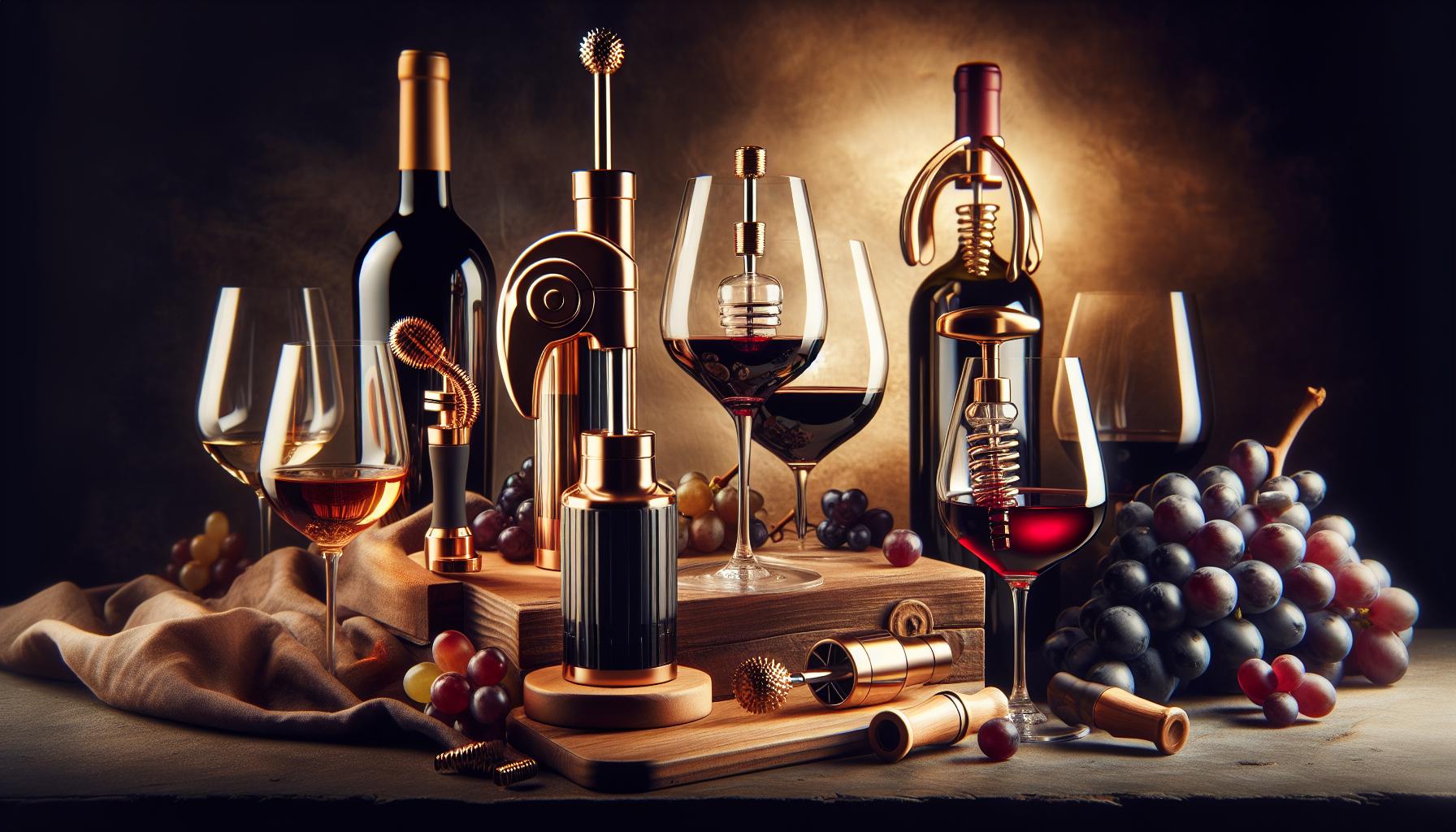
Choosing the right wine aerator can transform an ordinary bottle into a captivating experience. Just as a well-selected wine can complement your meal, the right aerator can enhance the flavors that lie dormant within. With an array of styles and mechanisms available, understanding the types of aerators can feel daunting, yet finding your perfect fit can be as delightful as savoring your favorite vintage.
Aerators generally fall into a few categories, each offering unique benefits based on their design and function. Here’s a brief overview to help guide your selection:
Handheld Aerators
Handheld aerators are user-friendly devices that allow you to aerate wine directly into your glass. As you pour, the wine passes through a chamber that infuses it with air, activating its aromas and flavors almost instantly. Many feature a screen to filter any sediment, ensuring a smoother pour. This type of aerator is perfect for those who appreciate flexibility and convenience, making it easy to enhance individual glasses without the need for bulky equipment.
Funnel Aerators
Funnel aerators attach to the neck of the bottle, creating a pathway for the wine as it flows. Here, air enters the wine stream, facilitating a gentle yet effective aeration process. These are particularly practical for those who want to aerate a whole bottle in one go, as they require no extra steps beyond pouring. They are an excellent choice for parties or gatherings, allowing you to serve multiple guests with perfectly aerated wine effortlessly.
Decanter Aerators
For a more traditional approach, decanter aerators serve dual purposes. They not only enhance aeration but also add elegance to your presentation. The wide, shallow shape of a decanter increases the surface area of the wine exposed to air, allowing for a slow and graceful infusion of oxygen. This method is ideal for bold red wines that flourish with time in the open air, revealing their complex characters.
Pump Aerators
Pump aerators take things a step further, actively infusing oxygen into the wine using a pump mechanism. These devices can create a rich, layered aeration effect in a short time, making them suitable for both younger wines and those with more robust tannins. If you’re eager to enjoy a bottle that’s been waiting too long in your cellar, a pump aerator can deliver a satisfying transformation in mere moments.
Choosing the right aerator ultimately depends on your personal preferences and the specific wines you often enjoy. For everyday use, a handheld or funnel aerator may be your best bet, providing flexibility for those spontaneous pours. If you’re curating a special tasting experience, a decanton may set the stage for elegance and showmanship. In either case, embracing the art of aeration will unveil a new dimension to your tasting journey, where each sip is a rich narrative of flavor and aroma just waiting to be discovered.
By familiarizing yourself with the diverse types of wine aerators available, you’ll not only optimize your wine experience but also cultivate a deeper appreciation for the intricate dance between wine and air, enriching every pour with intention and delight.
How to Use a Wine Aerator Effectively
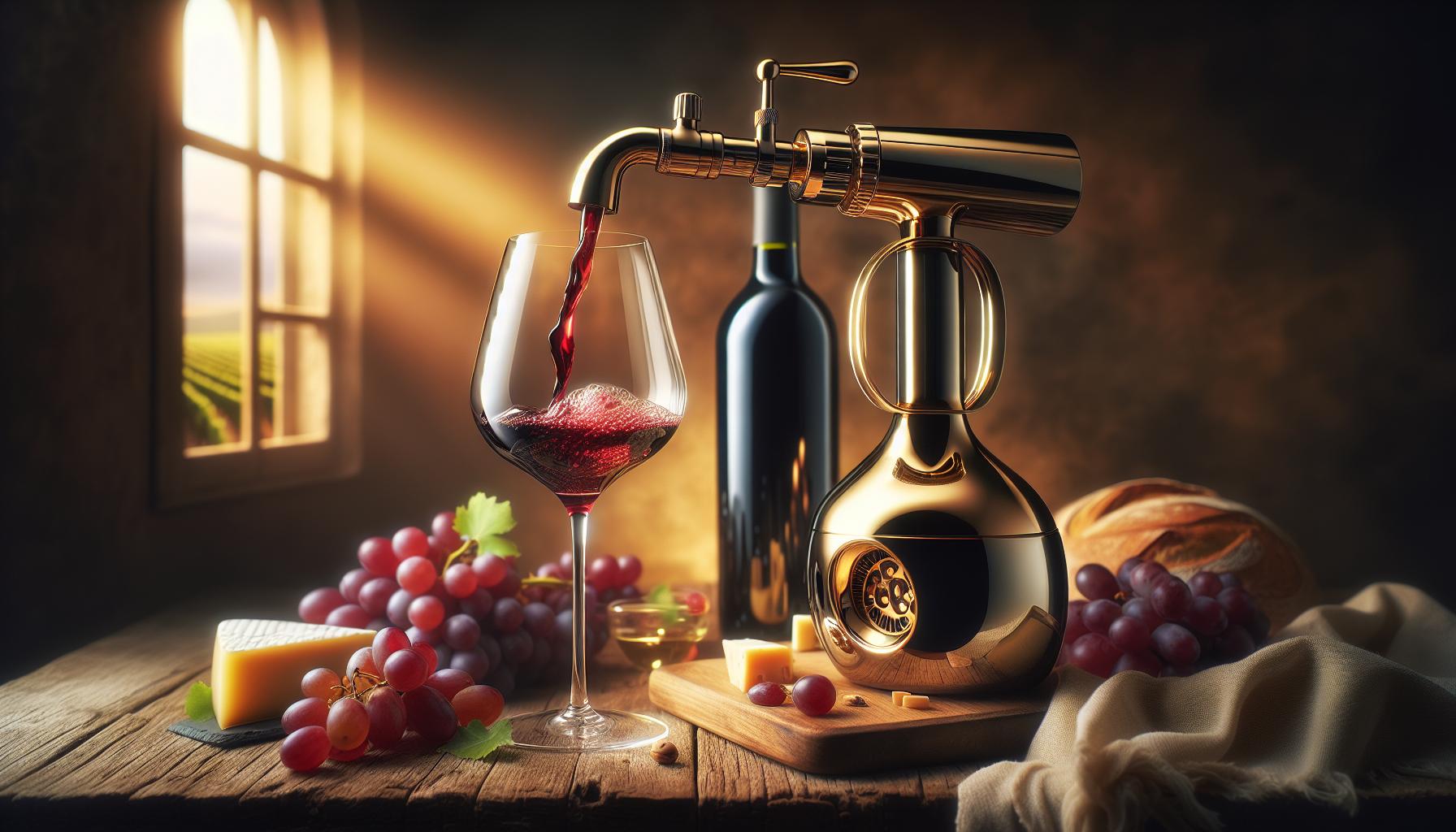
The moment you open a bottle of wine, you’re gifted with a symphony of aromas and flavors waiting to unfold. Yet, without the gentle coaxing of air, many of these nuances remain shy and hidden. Mastering the use of a wine aerator is akin to learning a delicate dance-one that breathes life into your pour and invites flavor to flourish. The process is surprisingly simple yet profoundly impactful, transforming a mere bottle into an exquisite experience.
To effectively use a wine aerator, begin by selecting the right type that suits your needs-be it a handheld aerator for immediate enjoyment in your glass or a more stately decanter for special occasions. Pour the wine slowly through the aerator, allowing it to interact with air as it flows. Depending on the aerator’s design, you may notice a gentle fizz or sound-this is the sound of your wine awakening. For pump aerators, give the device a gentle squeeze to actively introduce oxygen, enhancing the transformation more rapidly than traditional methods might allow.
Timing plays a significant role in the art of aeration. Letting the wine breathe for a few minutes to half an hour can significantly amplify its complexity. Younger wines may require only a short exposure to air, whereas older, more robust vintages thrive with a longer embrace. Remember, patience is a virtue; swish the wine in your glass and inhale its bouquet before sipping to fully appreciate the layered flavors released through aeration.
To elevate your aeration experience further, consider pairing your choice of wine with the right foods or occasions to maximize the flavor potential unlocked. For instance, a deep Cabernet Sauvignon can be showcased beautifully alongside a rich, grilled steak, with the aeration enhancing both the wine’s intensity and the meal’s savory notes. Ultimately, using a wine aerator is not merely about speeding up the aging process; it’s about creating moments of connection-between yourself, your companions, and the enchanting world of wine. Each pour becomes an invitation to explore, savor, and celebrate.
Wine Aerators vs. Decanters: Which Is Better?
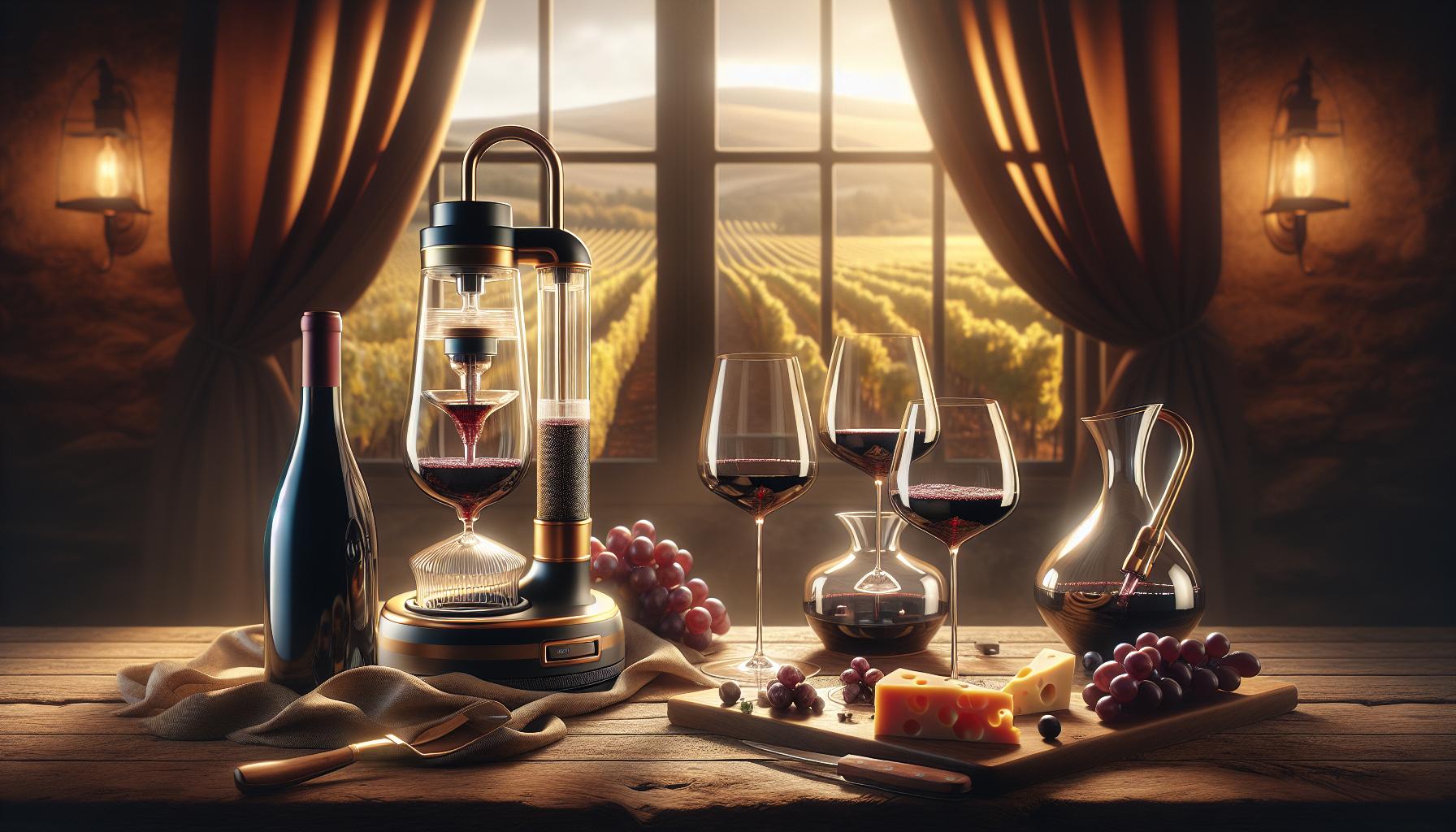
When it comes to the captivating world of wine, the debate between aerators and decanters often takes center stage among enthusiasts. Both tools serve the purpose of enhancing the wine-drinking experience by introducing oxygen to the wine; however, they do so in distinctly different manners and contexts, inviting wine lovers to consider their unique merits based on both style and function.
Aerators are designed for immediate impact, perfect for those evenings when you crave a glass of wine to complement your dinner without the delay of letting a bottle breathe for hours. Typically, aerators are compact, portable devices that allow you to pour wine directly into your glass while simultaneously exposing it to air-sometimes dramatically so. This rapid aeration can be remarkably effective for younger wines, particularly bold reds that might otherwise be overly tannic. For example, a robust Cabernet Sauvignon can benefit from an aerator’s streamlined process, accentuating its fruitiness and softening its astringency right before pouring.
On the other hand, decanters embody elegance and ritual. Designed for a more ceremonial presentation, they also serve a practical purpose-allowing sediment from older wines to settle at the bottom while promoting the aeration process in a more gradual manner. Decanters are ideal for vintage wines, which can be delicate and complex, requiring a nuanced approach to enhance their profiles. By letting older wines breathe over an extended period, you create a harmonious environment where flavors meld and evolve, revealing the wine’s depth and character. A beautifully set table featuring a decanter can also elevate the overall dining experience, turning a simple meal into a special occasion.
Ultimately, the choice between an aerator and a decanter hinges on timing, wine type, and personal preference. For straightaway gatherings or casual wine nights, an aerator captures the moment without fuss. Conversely, if you have the time to indulge and appreciate the unfolding complexities of an aged bottle, a decanter becomes not just a tool but a part of the ritual-inviting your guests into a shared experience rooted in anticipation and reverence for the craft of winemaking. In the end, appreciating wine is as much about the process as it is about the product, making both methods worthy companions on your journey of exploration and delight within the world of wine.
Timeless Benefits of Wine Aeration for Enthusiasts
When a good wine is allowed to breathe, it can transform into something truly magnificent-an experience heightened by the thrill of anticipation and the complexity of flavor that emerges. Wine aeration not only releases the tantalizing bouquet locked within a bottle but also mitigates the effects of harsh tannins, often found in young red wines. The introduction of oxygen plays a pivotal role in this process, as it acts like a gentle handshake, easing the wine into a more welcoming interaction with our senses.
A notable benefit of aeration lies in its ability to enhance the overall tasting experience. By allowing air to mingle with the wine, you can discover layers of flavor that might have remained hidden in a tighter, less expressive state. For instance, a young Malbec, typically brimming with potent fruit notes, can develop nuances of chocolate and spice when graciously introduced to air. This transformative nature is not merely a subjective experience; it is steeped in the science of winemaking. Aeration helps precipitate reactions such as oxidation and the evaporation of volatile compounds, fostering a beautiful evolution of flavors and aromas that can captivate any palate.
Moreover, the practice of aerating wine encourages a more mindful consumption experience. Pouring a glass of freshly aerated wine is akin to uncorking a bottle of stories and memories-a narrative that unfolds with each sip. For enthusiasts, this ritual provides a moment to connect not just with the wine, but also with the history and culture it embodies. Whether it’s a bold Brunello from Tuscany or a zesty Sauvignon Blanc from New Zealand, each varietal offers its own tale waiting to be savored. This celebration of flavor as intertwined with context fuels discussions among friends, fostering connections that enrich our appreciation of wine.
In addition, the use of a wine aerator can be a playful exploration for the curious enthusiast. Experimenting with different wines and observing how aeration affects them can lead to delightful discoveries. There’s great joy in sharing this journey with others-whether inviting friends for a tasting or simply enjoying a quiet evening at home. From robust reds to delicate whites, each interaction with oxygen invites a myriad of interpretations, creating a mosaic of flavors that can shift the very appreciation of wine. Harnessing these benefits through aeration can elevate any bottle, making each tasting an adventure worth relishing.
Mastering the Art of Aeration: Timing and Technique
Every wine lover knows that timing is everything, especially when it comes to aeration. Just as a fine dish benefits from resting after being prepared, wine too requires a moment to develop its full expression. The essence of mastering aeration lies in understanding not just how to introduce air to your wine, but also when to do so. For younger wines, particularly robust reds such as Cabernet Sauvignon or Syrah, a longer aeration period can significantly soften those assertive tannins and reveal a complexity that might otherwise remain hidden. Aim for at least 30 minutes to an hour of aeration for these wines, allowing them to bloom beautifully. If your palate leans toward more delicate varietals like Pinot Noir, a shorter period of around 15 to 30 minutes may be more appropriate to avoid overwhelming their delicate subtleties.
Technique is equally important. Whether you’re pouring directly from a bottle into a glass or using a dedicated aerator, the way you introduce air can greatly influence the experience. For a more hands-on approach, try decanting your wine into a wide-bottomed decanter, which increases the surface area and maximizes exposure to oxygen. Swirling the wine gently in the glass afterwards can further encourage the release of aromas and flavors. Remember, though, that less is often more: a gentle swirl is preferable to violence; the goal is to coax the wine into revealing its secrets rather than assaulting it with turbulence.
It’s not merely about choosing the right tool or technique; it’s also about patience. Great wines, like great stories, unfold gradually. While an aerator can enhance flavors instantly, some wines benefit from longer interactions with air, allowing for transformative developments that can change how you perceive a particular bottle. It’s helpful to keep a notebook of your experiences-note the varietals you’ve aerated, their characteristics, and how they evolved-this kind of reflective practice can deepen your appreciation and hone your abilities as a wine enthusiast.
Lastly, don’t shy away from experimentation. Introduce different aeration times and techniques across various wines to understand how nuances in each varietal react under the influence of air. Invite friends over for a casual tasting experience, where you can compare notes on the same wine aerated differently or try the same wine at various stages of aeration. This not only enriches your palate but also fosters a communal spirit, celebrating the joy of wine together. After all, wine is not just a drink; it’s a conversation starter, a bridge to shared experiences, and a catalyst for unforgettable memories-a toast to the art of aeration!
Common Misconceptions About Wine Aerators
Though many wine enthusiasts recognize aeration’s significance, misconceptions often cloud the understanding of wine aerators’ true potential. One prevalent myth is that aerators are only for high-end wines, suggesting that simple, budget-friendly wines don’t benefit from oxygen exposure. In reality, even modest wines can unlock delightful nuances when aerated. The process helps to soften tannins and enhance fruit flavors, showcasing the characteristics that might typically hide beneath a timid façade. Imagine a vibrant, inexpensive Malbec blossoming into a symphony of dark fruits and subtle spices, all because you took the time to introduce it to the air.
Another misconception refers to the speed of aeration. Many believe that if they pour wine through an aerator, they achieve instant perfection. While aerators do facilitate immediate exposure to air, the notion that all wines will perform well with minimal aeration overlooks the complex relationship between a wine’s age, variety, and inherent structure. For example, a young Cabernet Sauvignon may indeed flourish under quick exposure, but older wines, or those with fragile characteristics like a nuanced Pinot Noir, require a gentler, longer approach to avoid overwhelming their delicate profiles. A loving embrace of air, rather than a brisk splash, can make all the difference in preserving a wine’s integrity.
Moreover, the idea that all aerators work the same is misleading. Aerators come in various shapes and sizes, each designed to enhance certain aspects of the wine. Some might excel at maximizing aeration speed while others might focus on controlled exposure. A wide-bodied decanter, for instance, invites air to play a longer game, which might be beneficial for bolder reds. Conversely, a streamlined aerator might be perfect for pouring directly into your glass when serving guests. Understanding the tools at your disposal allows you to better align your aeration method with the wine’s unique identity.
In the grand tapestry of wine culture, aeration isn’t merely a technicality; it’s a rich, sensory journey. By dispelling these misconceptions, we embark on a more informed exploration, inviting a spectrum of flavors and aromas to dance upon our palates. The beauty of wine lies not only in its taste but also in the shared experiences, conversations, and discoveries it inspires. So grab your favorite bottle, an aerator, and let the adventure begin!
Choosing the Right Wine for Aeration: A Guide
When approached thoughtfully, the world of wine opens up like a well-aged bottle, revealing a tapestry of flavors waiting to be explored. Understanding how to choose the right wine for aeration not only enhances your tasting experience but also deepens your appreciation for the artistry behind each bottle. Aeration acts as a transformative process, inviting oxygen into the wine and allowing its hidden notes to emerge. However, not every wine benefits equally from this exposure, making it essential to consider varietal characteristics, age, and personal taste preferences.
To begin, focus on bold red wines that tend to boast tannins-these compounds, while essential for structure and aging potential, can sometimes create astringency that masks the fruitiness and complexity of the wine. Varieties such as Cabernet Sauvignon, Syrah, and Malbec generally thrive with aeration. For instance, a young Cabernet Sauvignon poured through an aerator will soften its tannins while accentuating the vibrant berry flavors, transforming it from a stern introduction to a warm embrace of dark fruits and hints of spice. On the other hand, moderate exposure can also work wonders for older reds; a somber 10-year-old Merlot comes alive as its vintage aromas are uncorked, revealing layers of dried fruit and earthy nuances that speak volumes of its journey.
While red wines are often the stars of the aeration process, don’t overlook whites and rosés. A full-bodied white wine, like a Chardonnay, particularly one that has undergone malolactic fermentation, can gain depth from a brief interaction with air. The creamy, buttery notes can deepen, enhancing the overall tasting experience. Uncorked and aired, a well-structured Chenin Blanc may surprise with its newfound acidity and floral notes, which bring each sip to life.
Lastly, experiment with the lesser-known varietals. Wines such as Grenache or Sangiovese often display vibrant fruit flavors that can be amplified by careful aeration, elevating them to new heights. Even your evening’s go-to affordable varietal can unlock unexpected complexity with a touch of air, showcasing how quality can sometimes arise from simplicity.
In summary, the journey of selecting a wine for aeration is not just about choosing a label-it’s an invitation to connect with the deeper nuances of each glass. As you reach for your aerator, think of the tantalizing potential awaiting within each bottle, transformed through the nurturing embrace of air. Pair this with the right wine, and you’re not merely drinking; you’re participating in a rich conversation between the vineyard, the fermentation process, and your palate. Cheers to discovery!
Exploring the Flavor Profiles Enhanced by Aeration
The act of allowing wine to breathe, a process facilitated excellently by aerators, unveils a symphony of complex flavors and aromas that might otherwise remain hidden in the bottle. With the gentle introduction of oxygen, wines can transform dramatically, enriching your tasting experience beyond expectations. Think of it as awakening a slumbering giant-what once might have been muted becomes a vibrant expression of its origin, craftsmanship, and character.
Consider the rich tapestry of flavor profiles that emerge from different varietals when aerated. Red wines, particularly those laden with tannins such as Cabernet Sauvignon, Malbec, and Syrah, showcase a remarkable evolution. The once-aggressive tannins soften and allow the lush fruit flavors to soar. A young Cabernet, for example, might initially present a stern, structured palate dominated by intense dark fruits. After aeration, these characteristics bloom into a deliciously harmonious blend of dark berry notes interwoven with hints of spice and oak, each sip offering a nuanced exploration of its terroir.
Whites and rosés, though typically less discussed in the realm of aeration, also possess their own captivating metamorphosis. A Chardonnay that has undergone malolactic fermentation-where malic acid converts to lactic acid, adding a creamy mouthfeel-can reveal deeper layers of flavor when given a chance to interact with air. The initial tasting may evoke elements of butter and vanilla, but with aeration, tantalizing nuances of citrus, stone fruit, and even a refreshing minerality can emerge, creating a complex interplay of richness and zest.
In exploring the myriad possibilities presented by aeration, it becomes evident that less common varietals deserve their moment in the spotlight too. Wines like Grenache or Sangiovese often present lively fruit profiles that can be dramatically amplified through careful aeration. A youthful Grenache, when aerated, peppers the palate with luscious strawberry and raspberry notes, while an edgier Sangiovese can reveal hidden layers of cherry, earthiness, and aromatic herbs. These nuances invite drinkers to venture beyond their usual selections and discover delightful surprises that lie in wait.
Ultimately, the beauty of aeration resides not only in its ability to enhance flavor profiles but also in the personal journey it invites you on as you savor each glass. Whether you’re lamenting the past life of a vintage wine or celebrating the lively exuberance of a young pour, the act of aeration encourages an intimate dialogue between the wine and your senses. This interaction transforms wine tasting from a simple pleasure to an immersive exploration of artistry, culture, and connection-an experience that beckons to be embraced, glass by filled glass.
The Cultural History of Aeration in Wine Appreciation
Long before the advent of modern wine aerators, the practice of allowing wine to breathe was deeply rooted in the cultural tapestry of wine appreciation. Historically, the concept of aeration was an organic evolution, shaped by the primal instinct to enhance and savor flavors. Ancient civilizations, such as the Romans and Greeks, recognized that older wines often required a bit of coaxing to reveal their full character. The pouring of wine into vessels or decanters, allowing it to mingle with air, became a ceremonial act, a ritual that not only served to elevate the experience but also symbolized hospitality.
As wine culture burgeoned throughout Europe, particularly during the Renaissance, this practice flourished. The art of decanting was embraced by nobility and connoisseurs alike, who discerned that exposing certain wines to air could soften harsh tannins and mellow out robust flavors. This subtle transformation led to a deeper appreciation for various grape varietals and terroirs. Decanters, often exquisitely designed, became markers of status and elegance, inspiring enthusiasts to not only enjoy the wine itself but the entire ritual surrounding its service. “The good wine needs to breathe,” became a common adage, underscoring the belief that patience was a virtue in the pursuit of flavor.
In modern times, the introduction of wine aerators revolutionized this ancient practice, condensing the time needed for aeration into a matter of moments. The scientific understanding of wine’s interaction with oxygen has expanded, offering new insights into why certain varietals benefit more from aeration than others. This innovation allowed a wider audience to explore the complex flavors and aromas that were once the exclusive experience of the discerning few. An immediate enhancement, whether one is pouring a young Cabernet Sauvignon or a delicate Pinot Noir, elevates the sensory journey for everyone, transforming what might have been a daunting task into an inviting experience.
Today, as we gather around tables adorned with bottles from vineyards across the globe, the cultural history of aeration invites us to engage with wine in a uniquely personal way. Each open bottle becomes a conversation with the land it hails from and the hands that cultivated it. Wine aeration is not merely a technical step in the appreciation process; it is a bridge that connects us to centuries past, a celebration of shared experience and discovery. The simple act of allowing wine to breathe has transcended time and geography, reminding us that wine is as much about tradition and cultural heritage as it is about flavor-an exquisite journey that crafts a narrative every time we raise our glasses.
Wine Aeration’s Impact on Your Tasting Experience
The transformation that occurs when wine meets air is nothing short of magical. Aeration significantly impacts our tasting experience by unlocking a spectrum of flavors and aromas that are often locked away, especially in younger wines or those with pronounced tannins. When wine is aerated, it interacts with oxygen, fostering chemical reactions that soften tannins, diminish bitterness, and amplify fruitiness, resulting in a smoother and more harmonious profile. This is not solely a matter of science; it’s an invitation to savor the nuances that might otherwise go unnoticed.
One of the joys of using a wine aerator is the immediacy it offers. Rather than waiting for hours after decanting, you can engage with a wine within moments, transforming your tasting journey. Picture pouring a young Cabernet Sauvignon: initially, it might present as a bold, fruit-forward wine with a jarring edge. After aeration, that same wine can reveal layers of dark fruit, a hint of cocoa, and a refined bouquet that invites contemplation. This process is particularly evident when tasting varietals renowned for their tannic structures, such as Nebbiolo or Syrah, both of which can transform dramatically with just a brief moment of exposure to air.
Engaging with wine in this manner also fosters a deeper connection with the wine’s story-its origin, its maker, and the harvest it was born from. As you pour that freshly aerated wine, take a moment to inhale its aromas deeply. You may detect undertones of earthiness, floral notes, or hints of spice that reflect the terroir from which it originates. Each sip becomes a dialogue, enriching your appreciation of not just the glass at hand but the collective journey of viticulture and craftsmanship that has unfolded over years, even decades, before the wine graces your palate.
Furthermore, the communal aspect of tasting wine is enhanced through aeration. Sharing a bottle with friends becomes a shared exploration, where each person can notice different elements shaped by the aeration process. As the wine breathes and evolves in the glass, the conversation naturally flows towards personal interpretations, amplifying connections between flavors and stories. Thus, aeration does more than elevate flavors; it cultivates an atmosphere of discovery and camaraderie that is at the heart of wine appreciation.
Faq
Q: What is a wine aerator and what does it do?
A: A wine aerator is a device designed to expose wine to air, enhancing its aroma and flavor by allowing oxidation. It works by increasing the wine’s surface area when poured, releasing volatile compounds and softening tannins-transforming your wine experience instantly.
Q: How does aeration enhance wine flavor?
A: Aeration enhances wine flavor by introducing oxygen that helps to break down undesirable compounds and release aromatic notes. This process can highlight complex flavors and aromas, making the wine taste smoother and more rounded, which is particularly beneficial for younger, tannic red wines.
Q: Can I use a wine aerator for white wines?
A: Yes, you can use a wine aerator for white wines. While many focus on red wines, certain whites, especially full-bodied ones like Chardonnay, can benefit from aeration, enhancing their complexity and softening acidity.
Q: What types of wine aerators are available?
A: There are various types of wine aerators, including handheld aerators, pourer aerators, and in-bottle aerators. Each type offers unique benefits depending on your serving method and preference for convenience or efficiency in aeration.
Q: Why should I aerate my wine before drinking?
A: Aerating wine before drinking helps unlock its full potential, allowing complex flavors and aromas to emerge. This practice can significantly improve your tasting experience, revealing subtleties that would otherwise remain hidden in a sealed bottle.
Q: Should I aerate every bottle of wine?
A: Not every wine requires aeration. Generally, younger red wines benefit most, while older wines may be delicate and best enjoyed without aggressive aeration to preserve their characteristics. Always consider the wine’s age and type before deciding to aerate.
Q: When is the best time to aerate wine?
A: The best time to aerate wine is just before serving. This allows the wine to breathe and develop its flavors gradually, ensuring a more enjoyable tasting experience. For bottles that need extended aeration, consider decanting an hour or more beforehand.
Q: Can I aerate wine in the bottle?
A: Yes, some aerators are designed to fit directly in the bottle, allowing you to aerate wine as you pour. This method combines convenience with effective aeration, making it an excellent choice for casual gatherings or family dinners.
For a deeper dive into methods and benefits, check out our main article on wine aeration treatments for enhanced enjoyment.
Closing Remarks
As you embark on your wine journey, remember that a wine aerator is a simple yet transformative tool that can elevate your tasting experience like no other. Through the magic of air infusion, it unlocks vibrant aromas and nuanced flavors, inviting you to savor every sip more deeply. Don’t just settle for ordinary; indulge in the extraordinary with a great aerator that enhances your wine instantly.
To explore more about how to enhance your wine selections, check out our articles on the best wine decanters and aerators [[1]]and best wine aerators [[2]], which offer expert recommendations to guide your choices. Consider subscribing to our newsletter for the latest in wine insights and tips, ensuring you never miss an opportunity to deepen your appreciation. Share your thoughts or experiences with wine aeration in the comments below-let’s engage in this flavorful journey together! With each glass, there’s a new story waiting to be savored.
Get our latest guides, news, and insights highlighted in your Google Search & AI Overviews.


