


Opening a bottle of wine should be a moment of celebration, yet the simple act of removing a cork can sometimes feel like the ultimate test of patience and finesse. Did you know that corks have been used for centuries, but not everyone is equipped with the right tool or technique to extract them gracefully? Whether you’re planning a cozy evening at home or hosting a festive gathering, knowing how to easily get that cork out is essential.
In this guide, we’ll explore several easy and effective methods to help you uncork your treasured bottle without the fuss. Imagine the satisfaction of effortlessly popping that cork and releasing the enticing aromas of your wine, setting the stage for a delightful tasting experience. Understanding these techniques not only enhances your wine enjoyment but also empowers you to tackle any cork-related challenge with confidence. Dive in, and let’s uncork the secrets together!
Understanding the Importance of Wine Cork Removal
Understanding the significance of effectively removing a wine cork transcends the mere act of opening a bottle; it is a moment that can define the entirety of your wine experience. A bottle of wine is not just a beverage; it is an encapsulation of a vineyard’s hard work, the culmination of its terroir, and a promise of flavor waiting to be unleashed. The cork, that humble yet essential stopper, plays a crucial role in preserving this liquid artistry before it reaches your glass. As you embark on the ritual of cork removal, you are participating in a time-honored tradition that is both practical and symbolic, marking the transition from potential to enjoyment.
A poorly executed cork removal can lead to a host of problems, ranging from fragments of cork finding their way into your wine to the dreadful experience of a broken cork tantalizingly stuck within the bottle. Such mishaps not only compromise the integrity of the wine but can also diminish the celebration that surrounds its opening. This is why understanding and mastering the art of cork extraction is paramount. It empowers you to engage with your wine meaningfully-not just pouring it into glasses but appreciating every drop as it swirls, breathes, and unveils its nuanced aromas and profiles.
Moreover, in this era of diverse wine packaging, the importance of cork removal extends beyond traditional corks. Being knowledgeable about different cork types, including natural cork, synthetic alternatives, and screw caps, enhances your wine appreciation toolkit. As you gracefully remove the cork, you become part of a storied lineage of wine lovers who have enjoyed and celebrated this age-old beverage, forging connections through shared experiences that transcend time and culture.
In sum, every cork extracted is a doorway to exploration. With each twist, pull, or pop, you connect with the wine’s rich history while preparing to indulge in the flavors that await. This understanding goes beyond mechanics; it fosters a deeper relationship with the wine, encouraging a deliberate and thoughtful approach to both the ritual of opening the bottle and the enjoyment of what’s inside.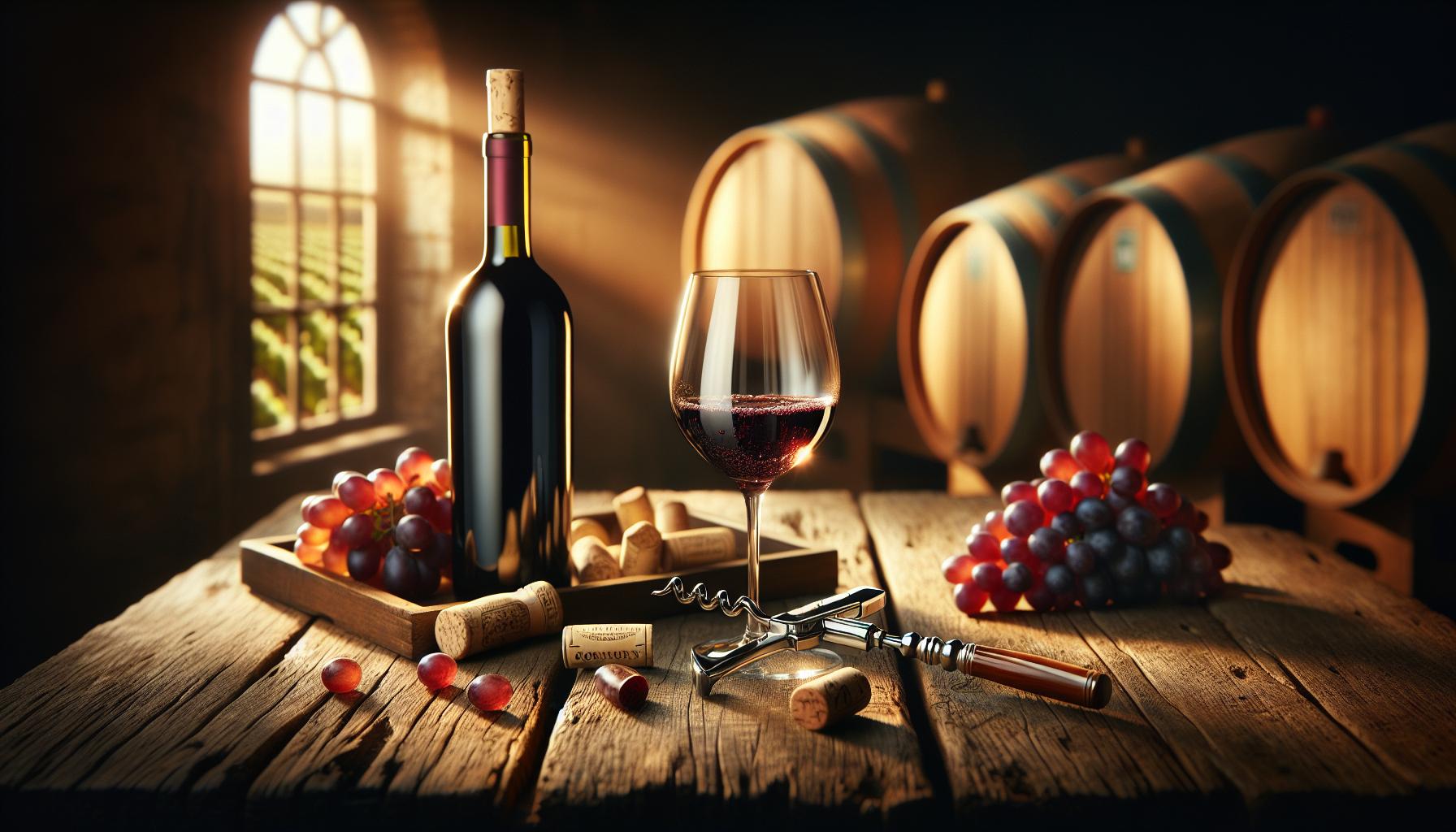
Essential Tools for Effortless Cork Extraction
When it comes to the delicate task of extracting a cork from a wine bottle, having the right tools can transform an often frustrating endeavor into a seamless ritual. Imagine the anticipation building as you prepare to unveil the mysteries lying within your bottle of red, white, or rosé; the right equipment can enhance not just your technique but the entire experience. A well-chosen cork removal tool does not merely serve a functional purpose; it can elevate the act to an art form, inviting you to engage more deeply with the wine from the moment you start the extraction process.
At the forefront of essential tools, a corkscrew remains a classic favorite. The traditional waiters’ corkscrew, with its pivoting lever and sharp worm, strikes a perfect balance between ease of use and efficacy. Its compact design makes it a staple for both casual gatherings and formal dinners. Additionally, consider exploring electric wine openers, which have gained popularity for their effortless operation. With the press of a button, you can free the cork without the risk of breakage or the hassle that sometimes accompanies manual methods. While some purists may scoff, these devices can be particularly handy for older or difficult bottles, where the cork’s integrity may already be compromised.
Beyond corkscrews, lever-style openers deserve a mention for their unique approach. These devices operate much like a lever hoist, providing excellent torque and minimizing effort. Simply place the opener around the neck of the bottle, position the corkscrew into the cork, and pull down the lever. The cork is lifted out with grace, allowing you to concentrate more on the distinct aromas wafting from the bottle as you prepare to pour. If you often find yourself in varied wine environments, a swiss army knife is another versatile companion, often featuring a corkscrew among numerous other tools-ideal for picnics or travel.
No matter your choice of tools, ensure that you always have a cork retriever on hand, particularly for those moments when the cork crumbles or breaks during extraction. This lightweight, two-pronged device can grasp and retrieve stubborn cork remnants left in the bottle, ensuring that you can still enjoy your wine without unwanted cork pieces. Like any great craftsman, knowing the right tools for the job not only prepares you for success but also enriches the entire experience of enjoying a great bottle of wine. Embrace this moment not only as an act of necessity but as an essential part of the wine story, weaving connections through time, tradition, and taste.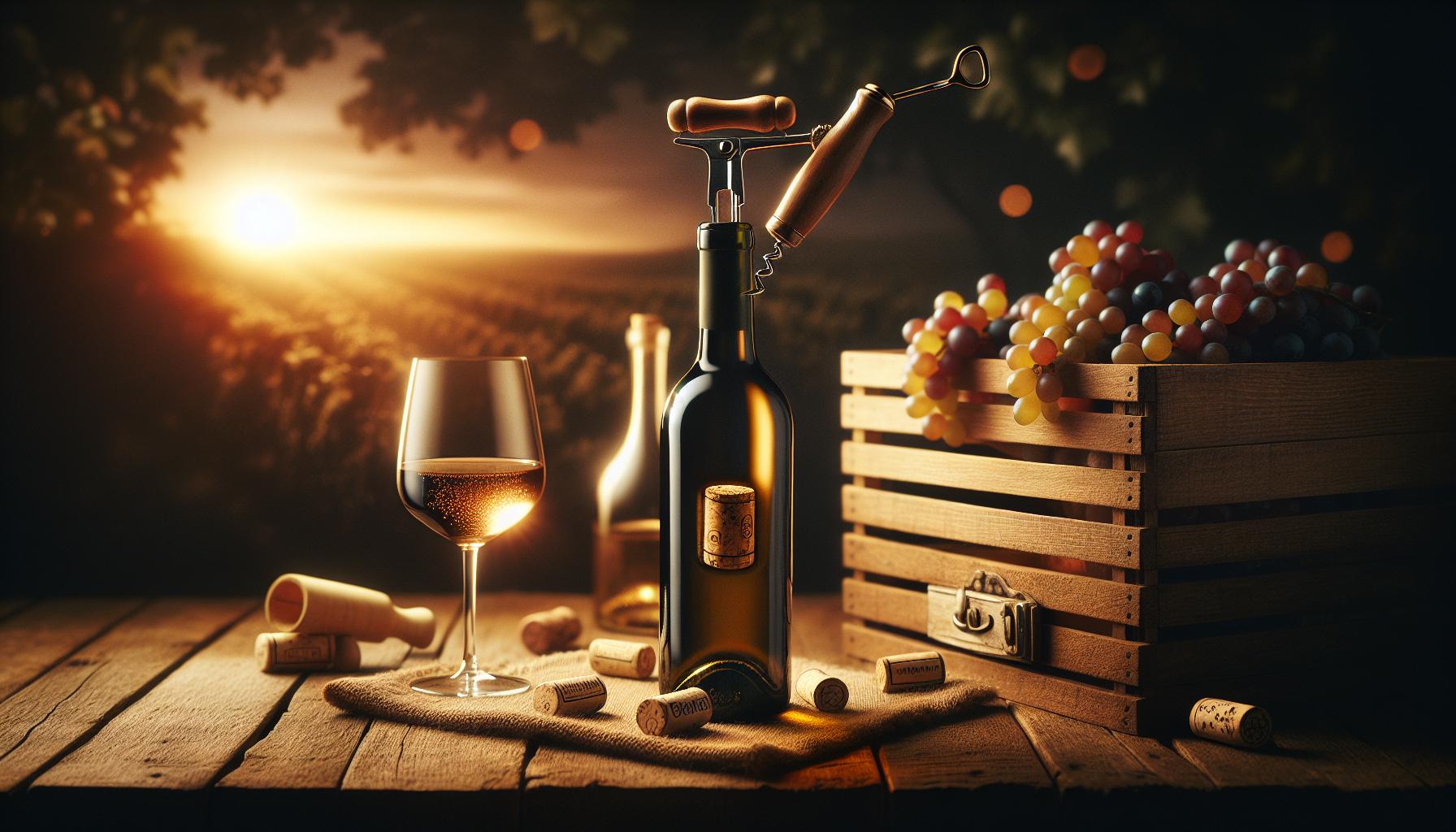
The Classic Twist: Manual Cork Removal Techniques
In the delicate dance of wine appreciation, the removal of a cork holds a place of honor-a moment that can evoke both excitement and suspense. As you prepare to release the flavors held captive within the bottle, understanding manual cork removal techniques can enhance your experience, transforming a routine task into a poignant ritual. Whether you’re bonding with friends over a casual evening or savoring a fine vintage during a special celebration, mastering these methods ensures you approach the task with confidence and finesse.
Among the cherished tools of wine lovers, the waiters’ corkscrew is a timeless classic. Its elegant design, featuring a sharp spiral and lever, embodies the simplicity and effectiveness of manual cork removal. To use it effectively, follow these steps: start by cutting the foil just below the lip of the bottle, allowing for a flawless presentation. Next, insert the spiral into the cork’s center, turning it gently, ensuring it penetrates fully but not all the way through. When you pull down the lever, the cork offers a satisfying resistance before easing its way out, releasing a gentle pop that signals the beginning of your tasting journey. Embrace this moment; it’s not just about the wine-it’s about the shared experience.
Aside from the waiters’ corkscrew, the ah-so, or twin-prong cork puller, deserves mention for its artisan charm. This tool is particularly useful for fragile corks that may crumble if handled roughly. Gently slide the prongs between the cork and the bottle, wiggle them slightly to loosen the cork’s hold, and then pull upwards with a steady motion. This technique respects the cork, allowing it to emerge in one piece, which is especially rewarding for those who appreciate the subtle nuances of aging wine, where the cork plays a pivotal role.
For those venturing into the world of wine without a dedicated corkscrew, everyday items like a sharp knife or a screwdriver can act as improvisational tools. These methods require a bit more creativity and care, as you risk breaking the cork if not done carefully. For instance, inserting a screw into the cork and using the back of a hammer to pull it out can be a clever alternative-albeit one best reserved for seasoned enthusiasts who understand their equipment.
In the swirling narrative of wine culture, the act of removing a cork is imbued with significance. It’s a gateway moment, setting the tone for what’s to come. By honing your manual cork removal techniques, you not only embrace the art of wine opening but also deepen your connection to the story each bottle tells, celebrating each sip with intentionality and reverence. So, the next time you find yourself facing a cork, let these techniques guide you into the enchanting world held within.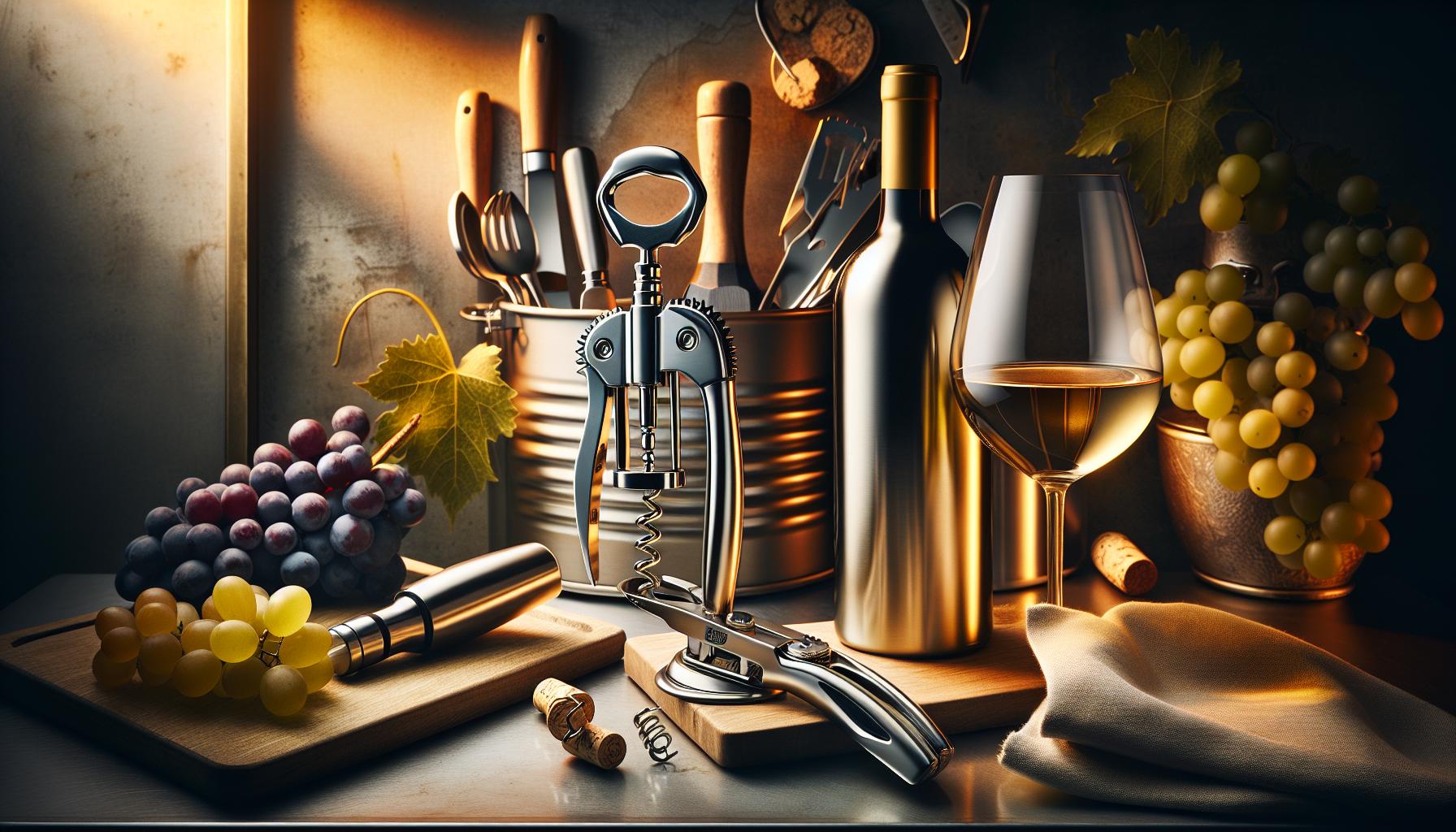
Leveraging Kitchen Gadgets for Easy Cork Access
When it comes to savoring a fine bottle of wine, the cork removal process doesn’t have to be fraught with frustration. In fact, your kitchen is likely brimming with gadgets that can facilitate this ritual in surprising and efficient ways. Think outside the box and embrace a bit of culinary ingenuity; everyday tools can help unseal your cherished vintages with ease, showcasing the delightful intersection of functionality and creativity.
One of the most versatile kitchen tools at your disposal is a pair of pliers. A sturdy set (preferably with rubber grips) can be a lifesaver. Carefully grip the cork with the pliers, twisting and pulling gently but firmly. This method works particularly well for corks that are stubborn or partially crumbled, as it provides the grip needed to effectively extract the cork without risking damage to the bottle. Just take care to avoid applying too much pressure, as you wouldn’t want to break the cork into pieces.
Another handy device is a standard kitchen knife, specifically one with a serrated edge. By gently inserting the knife into the cork at an angle and slowly twisting, you can create leverage that allows you to pull the cork free. This method requires a delicate touch, as the cork can easily crumble under too much force. It’s akin to the art of filleting-a precise technique that lets you feel the textures and respond to the cork’s resistance.
For those who enjoy a bit of playful experimentation, a wooden spoon can serve as a novel cork removal tool. By inserting the handle of the spoon into the bottle, you can gently press down on the cork. The gradual force exerted by the spoon can work the cork upwards, creating just enough movement to ultimately allow you to pull it out by hand. It’s a slightly unorthodox method that can add a touch of whimsy to your wine-opening experience.
Lastly, consider leveraging a vacuum sealer’s removal function, frequently found in those nifty food storage systems. If the cork is already loosened, attaching the vacuum sealer’s attachment to the bottle and using it to create a seal can pull the cork out with surprising efficiency. This approach blends modern kitchen technology with traditional wine enjoyment, making it a perfect example of how innovation can enhance even the simplest of tasks.
Ultimately, the tools we use in the kitchen extend far beyond their basic purpose. By incorporating these household gadgets, you not only simplify the cork extraction process but also enrich the overall experience, turning the moment of opening a bottle into a delightful and engaging ritual that celebrates the connection between food, wine, and shared moments. Embrace the creativity inherent in wine appreciation, and let each uncorking be an adventure in itself.
The Art of Using a Corkscrew: Step-by-Step Guide
Uncorking a bottle of wine is as much a ritual as it is a practical task, inviting anticipation and excitement for the experience to come. At the heart of this ritual lies the corkscrew, a humble yet ingenious tool that transforms a sealed bottle into an open vessel of flavor and nuance. Mastering the art of using a corkscrew not only enhances your ability to extract a cork without fuss, but it also amplifies your enjoyment of the wine within by making the whole process feel seamless and celebratory.
To begin, choose your corkscrew wisely. There are various designs ranging from the traditional waiter’s corkscrew, which combines a knife and lever, to sophisticated electric models that glide through corks with just the press of a button. Regardless of your choice, each corkscrew serves a common purpose: to remove the cork cleanly and efficiently. Start by ensuring your bottle is stable, ideally cradling it on a flat surface. If you’ve chosen a waiter’s corkscrew, extend the worm (the twisted metal part) fully, positioning it directly over the cork.
As you insert the worm, apply gentle pressure while twisting it clockwise into the cork-allow the spiral to travel through firmly but not so forcefully that it breaks the cork. A good rule of thumb is to embed the worm about three-fourths of the way into the cork. Once snug, lever the corkscrew against the bottle’s lip using the lower notch of the lever arm. This is where the magic happens: push down gently on the handle while simultaneously pulling up. You may feel resistance, but patience is key. Work steadily until the cork begins to rise, revealing the tantalizing aroma that wafts as it breaks free.
For those with a battery-operated corkscrew, the process is even more straightforward. Position the corkscrew over the bottle; when powered on, it will engage by itself, rotating seamlessly until it has fully extracted the cork. Regardless of the method, the finish is where you can revel in the moment. If the cork comes out whole, savor this small triumph-a sign of a well-stored wine, signifying minimal air exposure.
Finally, consider the cork itself as more than just a seal but a unique witness of the wine’s journey. After removing it, why not take a moment to inspect it? Observe its texture and aroma, recalling the varietal notes that await in your glass. Each cork tells part of the story, and respecting its contribution enriches the entire tasting experience, allowing for a deeper connection to the wine itself. Thus, with mastery over your corkscrew, you not only open a bottle, but you also unlock the door to sensory pleasure, companionship, and shared memorable moments.
Innovative Tricks: How to Get Creative with Cork Removal
In a world where tradition meets innovation, getting that stubborn cork out of a wine bottle can sometimes require a sprinkle of creativity. Beyond the straightforward twisting and pulling of a corkscrew, there are imaginative methods to consider that not only make the task easier but also evoke a little nostalgia or flair. Think of it as an opportunity to channel your inner sommelier armed not just with tools, but a mindset ready to explore the unconventional.
One common yet ingenious trick is the use of the classic shoe method. If you find yourself without a corkscrew, all you need is a sturdy shoe and a wall. Place the bottom of the wine bottle snugly into the shoe’s heel, ensuring a secure fit. Then, gently but firmly hit the heel against the wall, allowing the bottle’s pressure to push the cork out with each impact. This method is particularly effective when the cork is slightly moist, preventing it from crumbling. Just make sure to hold the bottle upright and have a friend on standby to manage any wine spillage!
Another innovative approach is utilizing a wooden spoon or similar kitchen utensil. If the cork refuses to budge, gently push it into the bottle using the spoon handle. This method can be particularly effective for synthetic corks, which often yield more easily than their natural counterparts. Once inside, let the wine breathe a bit, and embrace the joy of sipping directly from the bottle if you’re in good company-after all, wine is meant to be enjoyed!
For those who appreciate a touch of gadgetry, consider warming the neck of the bottle briefly. By running it under hot water or using a hairdryer, you can expand the glass slightly-this may aid in loosening the cork’s grip. Just be cautious not to heat the bottle too much; your aim is merely to create a little thermal expansion. Always remember that each cork tells a story, and sometimes the unexpected delays allow us to savor not just the wine, but the moments spent with friends, unraveling the mystique of what lies inside that bottle.
Using these creative cork removal techniques, your wine experience transforms from a mere task into a delightful exploration of resourcefulness and camaraderie. Each effort becomes not just about accessing the liquid within, but an invitation to share stories and laughter over a glass-an homage to wine’s essence of connection and celebration.
When All Else Fails: Emergency Methods to Remove Stubborn Corks
Sometimes, despite your best efforts and the right tools, a wine cork can stubbornly refuse to budge. This frustrating experience is not uncommon and often leads to moments filled with creative problem-solving and a dash of humor. Embracing these emergencies can turn a challenging moment into a cherished memory-after all, what’s more memorable than finally cracking open that special bottle after a few unexpected hurdles?
One of the simplest yet effective emergency methods involves leveraging a balloon. Carefully insert a deflated balloon into the neck of the bottle, ensuring it sits above the cork. By inflating the balloon, you’re applying pressure that may just pop that cork right out. It’s an inventive, gentle method that bypasses the potential risk of glass breakage, especially if you’re feeling adventurous. Remember, a steady hand and a playful spirit will serve you well in these moments.
If you happen to have a sturdy pair of pliers at hand, they can also rescue your wine night. Grip the cork at its base, gently twisting while pulling upwards. This method is best reserved for synthetic corks or sturdy natural corks that can withstand a bit of extra love without disintegrating. While this might not be the most elegant solution, it embodies the spirit of adaptability-perfect for a spontaneous gathering or festive occasion where laughter and good company reign supreme.
Alternatively, if the cork head is still intact but the core is stuck, consider the gentle persuasion of a knife. Carefully insert a small kitchen knife or a serrated knife between the cork and the neck of the bottle. Gently twist and lift to create leverage, easing the cork free from its grip. This approach requires patience and a firm yet delicate touch, as you don’t want to risk shattering the glass. It’s like engaging in a dance with your wine-requiring grace as you coax the cork to surrender.
In moments of desperation, one might even turn to the environment: if you’re outdoors, consider embedding the bottle upside down into the ground, holding it firmly while you tap on the base. The motion may dislodge the cork just enough to make that glorious pop you’ve been waiting for.
Wine is about joy and connection-whether it’s bonding over laughter, sharing a meal, or simply enjoying a moment of quiet reflection. When cork removal takes an unexpected turn, remember that the delayed gratification often heightens your appreciation for the experience. With every challenge, you’ll learn, adapt, and ultimately savor not just the wine, but the journey that brought you there. Cheers to creativity and resourcefulness in the art of cork removal!
Preventing Common Cork Problems: Tips and Tricks
When it comes to enjoying a fine bottle of wine, the experience can be beautifully interrupted by the stubbornness of a cork. Preventing cork-related issues starts with an understanding of cork quality and proper storage, which can transform your wine opening ritual from a stressful endeavor into a delightful prelude to enjoyment. The integrity of the cork is crucial-both in maintaining the wine’s quality and ensuring it doesn’t put up a fight when you’re ready to indulge.
To avoid common cork problems, always store your wine bottles horizontally. This keeps the cork moist, preventing it from drying out and crumbling. A dried-out cork can become brittle and more difficult to remove, risking fragments falling into your cherished Merlot. Moreover, ensuring the proper temperature and humidity of your wine cellar or storage area can extend the lifespan of the cork. Ideally, aim for a climate around 55°F (13°C) with humidity levels of about 70%. This mimics a natural cave environment, safeguarding your wine and its closure.
Consider the material of corks as well. Traditional natural corks can vary in quality; using lower-grade corks can lead to more frequent breakdowns. For long-term aging, opt for higher-quality, top-grade corks, or consider synthetic options that provide less risk of cork taint. Synthetic corks are uniformly made, and while they may lack the charm of natural cork, they ensure a consistent seal and avoid the dreaded cork spoilage issues that can mar the delightful experience of a good wine.
Additionally, when opening a bottle, take a moment to inspect your tools. A good corkscrew-whether it be a waiter’s friend or a winged style-should be of high quality and well-maintained. Sharp, sturdy screwpins create cleaner penetrations in the cork, reducing the chances of a cork breaking mid-extraction. Should you be confronted with a more stubborn cork, there’s often no need for excessive force; patience and finesse will generally yield better results. By preparing and storing correctly, choosing the right cork, and utilizing appropriate tools, your encounters with wine corks can transition from potential frustration to an effortless, enjoyable part of wine appreciation.
Discovering the Variants: Different Types of Wine Corks
When diving into the world of wine, the role of the cork might seem secondary, almost a mere accessory to the bottle itself. However, corks are an integral part of the wine experience, intimately tying the essence of the drink to the physical act of opening a bottle. The choices made in the type of cork can influence not only the ease of extraction but also the wine’s longevity and flavor.
At the heart of this discussion are the various types of corks, each boasting unique characteristics that can impact the wine inside. The traditional natural cork, harvested from the bark of cork oak trees, represents a time-honored method of sealing bottles. It possesses a unique elasticity and porosity, allowing for the slow exchange of air which can be beneficial for aging certain wines. However, natural corks can be finicky; poor-quality corks are prone to crumbling or allowing unwanted air through, leading to oxidation.
In contrast, synthetic corks have made significant strides in recent years. Made from materials like plastic or composites, they are designed to provide a consistent seal devoid of the risks associated with cork taint. While not as aesthetically pleasing, their uniformity is appealing, especially for wines intended for immediate consumption rather than long-term aging. These corks solve many of the problems inherent with their natural counterparts, making them a practical choice for winemakers focused on quality control and reliability.
Screw caps have carved out their own niche in the wine industry, offering convenience alongside a reliable closure. These caps provide a barrier against oxygen, making them ideal for preserving freshness, particularly in white wines and lighter reds. While some traditionalists may still scoff at the absence of a cork pop, screw caps have garnered respect for maintaining the integrity of the wine-and in many cases, they outperform natural corks in preserving flavor.
Each type of cork brings its own story and personality to the table, shaping the experiences we have with wine. As you prepare to open your next bottle, consider the cork that seals it; the simple act of removal may signal the beginning of a delightful journey through aromas, flavors, and memories. Whether you’re enjoying a nuanced Cabernet that has aged gracefully under a natural cork or a bright Sauvignon Blanc sealed with a screw cap, the type of closure can subtly influence both the wine and the ritual of enjoying it. Observe and appreciate these details, and you’ll find an enriching layer to your wine adventures.
Cork Alternatives: Exploring Synthetic and Screw Caps
In the evolving landscape of wine closures, synthetic corks and screw caps have become noteworthy alternatives to traditional natural cork, each with unique advantages that appeal to different consumer preferences and winemaking philosophies. As wine enthusiasts, understanding these options enriches our appreciation for not only the beverage but also the ritual of uncorking and enjoying a bottle.
Synthetic corks, crafted from a variety of materials such as plastics and composites, eliminate many of the concerns associated with natural corks, such as spoilage from cork taint or degradation over time. They offer a consistent seal, making them particularly well-suited for wines that are intended for immediate consumption rather than long-term aging. While some purists may argue that these closures lack the romantic allure of a natural cork pop, synthetic corks present an admirable solution for wineries aiming for reliability in flavor and freshness. Imagine opening a bottle of vibrant Sauvignon Blanc, the bright citrus notes preserved impeccably through effective sealing-this is where synthetic corks shine, providing ease and assurance while maintaining the wine’s integrity.
Screw caps have also gained significant traction in the wine community, blending functionality with contemporary sensibilities. Their airtight seal not only prevents oxidation but also maintains the wine’s intended profile, making them especially popular for white wines and aromatic varietals. For those who appreciate the convenience of no fuss and no cork debris, screw caps present an appealing option. Picture a picnic at the park, where your well-chilled white is not only refreshing but effortlessly opened without the need for a corkscrew or the risk of a premature cork failure. What’s more, screw caps are increasingly respected within the industry, often associated with wines that exhibit clarity and vibrancy, due to their capacity to preserve freshness effectively.
In essence, whether it’s a synthetic cork ensuring reliability or a screw cap providing unparalleled convenience, these alternatives encourage us to appreciate wine in all its forms. With each bottle opened, consider the closure as part of your experience-a hidden story about the winemaker’s intent, the journey of the grape, and your own unique moment of enjoyment. As the wine flows, allow yourself to be immersed not just in flavors and aromas, but in the evolution of wine culture that embraces both tradition and innovation.
Preserving Your Wine: Best Practices After Cork Removal
Once you’ve successfully uncorked a bottle of wine, the next vital step is ensuring its preservation, allowing you to enjoy the unfolding flavors without rushing. A bottle of wine, especially those crafted with care, is not just a beverage; it’s a symphony of taste that deserves attention. After popping that cork, how you store the wine can significantly affect its quality and enjoyment.
To start, it’s essential to identify whether you’ve opened a bottle of red or white wine, as their preservation needs differ slightly. For opened red wines, the goal is to minimize exposure to air, which can lead to oxidation and spoil the flavors. Transfer any remaining wine into a smaller bottle if possible, as less air in the container will help slow down this process. Once transferred, store the bottle upright in a cool, dark place, ideally around 55°F (13°C) for optimal flavor retention.
Key Practices for Preserving Opened Wine
- Use a Vacuum Pump: This handy gadget removes air from your wine bottle, reducing oxidation and keeping your wine fresh for a few extra days.
- Re-cork Tightly: If you’re putting the cork back in, make sure it’s inserted the right way up to ensure a snug fit. Placing the cork stem side down can help create a tighter seal.
- Refrigerate White Wines: For wines that benefit from cooler temperatures, like whites and rosés, keep them chilled in the refrigerator. This not only preserves the taste but also maintains the refreshing quality.
- Store Reds at Room Temperature: Ideally, keep opened red wines at a stable room temperature to avoid exposure to heat fluctuations that could harm their complexity and aroma.
For those adventurous individuals who are inclined to try a little experimentation, consider the use of inert gas preservation systems, which help prevent oxidation while keeping your wine vibrant. But remember, even the best-preserved bottles have their limits-most wines will taste best within 3 to 5 days after opening. So, gather your friends or loved ones to share this delightful nectar, exploring its evolving character together and making memories that complement the wine itself. Enjoy every glass, and cheers to the experience!
Frequently Asked Questions
Q: How can I easily remove a cork from a wine bottle without a corkscrew?
A: You can remove a cork without a corkscrew by using a sturdy screw and a hammer. Screw the screw into the cork, leaving some protruding, then use the hammer to pull it out gently. This method is effective for stubborn corks and keeps your wine intact.
Q: What household items can I use to get a cork out of a wine bottle?
A: Besides a screw and hammer, you can use a wooden spoon or a shoe. For the wooden spoon, push the cork down into the bottle gently. With a shoe, place the bottle inside the shoe and hit it against a wall to dislodge the cork.
Q: Is there a safe way to open a wine bottle with a broken cork?
A: Yes, if the cork is broken, you can use a funnel or a sieve to pour the wine into a decanter. Use a coffee filter to catch any cork pieces. This rescues your wine while ensuring you avoid cork fragments in your glass.
Q: Why might a cork get stuck in a wine bottle?
A: A cork may get stuck due to expansion from heat or humidity, age, or simply because it was poorly stored. Storing bottles upright can help prevent the cork from drying out and getting stuck.
Q: Can I use heat to remove a cork from a wine bottle?
A: Yes, applying gentle heat can help. Submerge the bottle in warm water or use a hairdryer aiming at the neck. The heat causes the air inside to expand, pushing the cork out. Ensure to avoid overheating to prevent wine damage.
Q: What should I do if the cork crumbles while I’m trying to remove it?
A: If the cork crumbles, carefully remove any remaining pieces with a pair of tweezers. Then, use a strainer or fine mesh when pouring to catch small cork bits. You can still enjoy your wine without the debris.
Q: Are there any tools specifically designed to get corks out of wine bottles?
A: Yes, there are several tools designed for this purpose, including wing corkscrews, lever corkscrews, and electric corkscrews, which provide easier and less strenuous options for removing corks without damaging the bottle or cork.
Q: How can I prevent cork breakage in the future?
A: To prevent cork breakage, store wine bottles horizontally to keep the cork moist and prevent it from drying out. Additionally, ensure you’re using the right corkscrew for the type of cork, especially if it’s synthetic or older cork.
For more tips on wine appreciation and storage techniques, explore our section on wine history and culture for a deeper connection to your favorite bottle.
Final Thoughts
As you savor your newfound cork-popping prowess, remember that each bottle holds not just wine, but stories of the vineyards and the people behind them. Whether you’ve chosen an elegant Chardonnay or a bold Cabernet Sauvignon, the joy of opening a bottle is merely the first step in a delightful journey of flavor and culture. For those lingering questions or any hiccups along the way, don’t hesitate to explore our comprehensive guides on wine storage and tasting techniques.
Feeling inspired? Take a moment to visit our article on “The Art of Wine Tasting: Enhancing Your Experience,” where you can deepen your appreciation for each sip. And for the ultimate wine lover‘s toolkit, check out our recommendations for essential wine accessories. Join our community of enthusiasts by subscribing to our newsletter for more tips, insights, and exclusive offers that will enrich your wine journey.
Don’t let that perfect cork slip away-take action now, and let your exploration of the fascinating world of wine begin. Cheers to your next great bottle!
Get our latest guides, news, and insights highlighted in your Google Search & AI Overviews.


